A high-end car audio purchase can make sense when the improvement matters on the drives you take and the system fits how long you’ll own the vehicle. Americans keep their cars for an average of 10.5 years, so judging the upgrade across years of listening can offer a clearer perspective than focusing only on the initial expense. That’s the practical case for justifying a high-end car audio purchase.
It’s reasonable to weigh the cost carefully. Better sound is most valuable when it brings clearer vocals, fuller bass, and a more enjoyable drive, not just impressive equipment on a specification sheet.
This article helps you compare factory and aftermarket sound, understand the roles of amplifiers and custom enclosures, and weigh professional installation against how long you expect to keep your vehicle. The goal is a confident decision based on the listening experience and the value it brings to your everyday drives.
Key Takeaways
- Compare listening clarity and speaker performance, not just the power figures printed on factory equipment.
- Match amplifier and enclosure choices to the sound you want and the space available in your vehicle.
- Account for modern vehicle complexity when weighing professional installation against a DIY approach.
- Judge an upgrade across the years you expect to own your vehicle to understand its longer-term value.
1. Aftermarket versus factory sound quality
Start with a familiar track, then listen for clear vocals, defined instruments, and bass that doesn’t overwhelm either. Compare at a comfortable volume while parked, then notice how the same details change on the road. Cabin noise can mask music differently at 25 mph than at 60 mph. A system that sounds impressive in a quiet driveway may feel less clear at speed, so judge the listening experience in the conditions where you drive.
Read amplifier figures carefully. A car stereo may be rated at 50 watts peak power per channel, while an outboard amplifier can provide 50 watts RMS of continuous power. Peak and RMS describe different kinds of power, so the figures aren’t direct equivalents. A factory stereo’s 200-watt claim also doesn’t, by itself, show how clearly the system plays. That distinction matters when justifying a high-end car audio purchase: compare listening results and the type of rating, not headline wattage alone.
Set a budget around a specific sound goal before choosing equipment. Decide whether clearer vocals, stronger bass, or balanced sound across different music matters most. Component speakers generally prioritize sound quality and clarity, while coaxial speakers are simpler to install. Use that trade-off to set priorities: choose the speaker style that supports your goal, then consider which other system changes are needed. Check that the head unit is compatible with the components you plan to use.
Account for the cabin, too. Road and panel noise can affect what you hear, so sound-deadening material is one factor to consider alongside speakers and amplification. A practical comparison is to listen with a subwoofer handling some bass, then set the stereo’s bass control at 0 rather than +5. That setting can leave full-range speakers with less bass to reproduce. Use familiar music to assess the result, and prioritize changes that address a clear listening problem instead of adding equipment without a defined purpose.
2. Amplifiers and enclosures
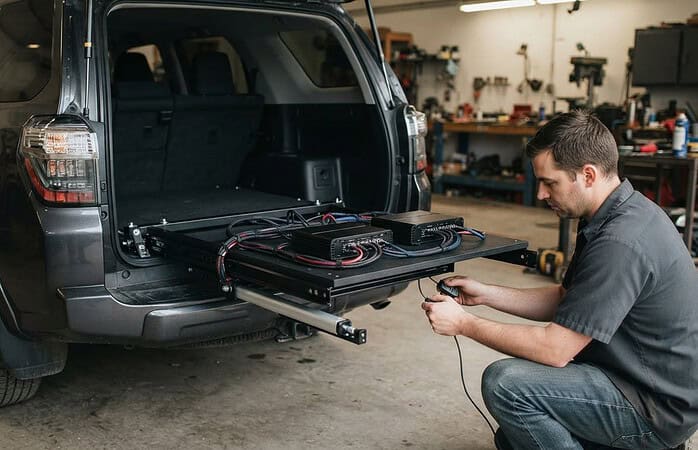
An amplifier supplies the speakers with stronger, more consistent power than a receiver alone. Choose one around the system’s actual listening goal, not the biggest number on a box. A 4-channel amplifier can boost midrange and high frequencies, giving door speakers more support. It can also serve a different role from a dedicated subwoofer amplifier, so plan which speakers each amplifier will drive before choosing equipment. That keeps the system focused instead of adding power without a clear purpose.
Set amplifier gain carefully. It matches the amplifier’s input to the receiver’s output, it isn’t a volume control. A practical adjustment starts with the receiver volume roughly three-quarters of the way to maximum, then sets the amplifier gain. Make small adjustments while listening for clean, balanced sound. If distortion appears, turning the gain higher won’t improve clarity. Use familiar music and listen to vocals and instruments, not only bass.
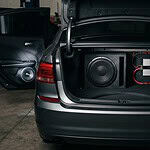
A subwoofer enclosure affects both the character of the bass and how the equipment fits in the vehicle. Its design should suit the subwoofer and available cabin space. A compact enclosure may preserve cargo room, while a custom shape can be planned around the vehicle’s layout. The key question is whether the bass sounds fuller and controlled without overpowering the rest of the music. A custom subwoofer enclosure can help tailor the sound and fit to your vehicle.
Think through the signal path before buying: receiver, amplifier, speakers, and subwoofer should work together. Write down the sound you want, identify which speakers need amplification, then decide whether a subwoofer and enclosure address a real gap. This sequence makes equipment choices easier to compare. For a system built around a particular vehicle and listening goal, explore custom subwoofer enclosures as one way to shape the result.
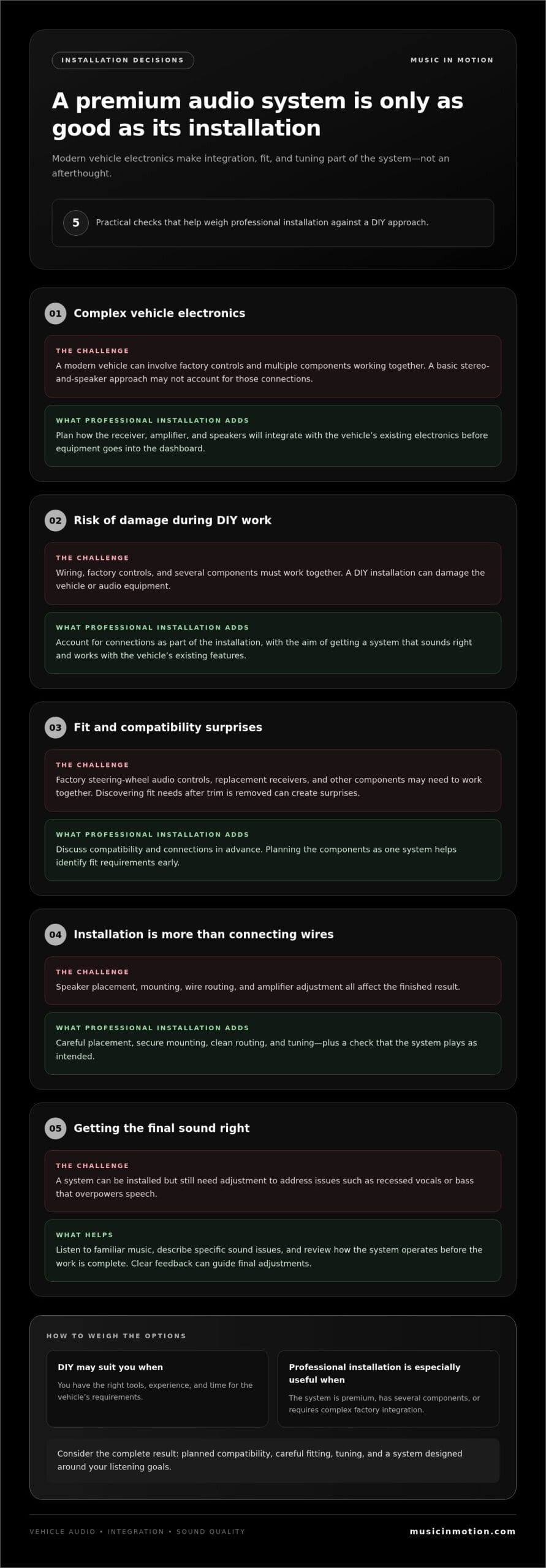
3. Benefits of professional installation
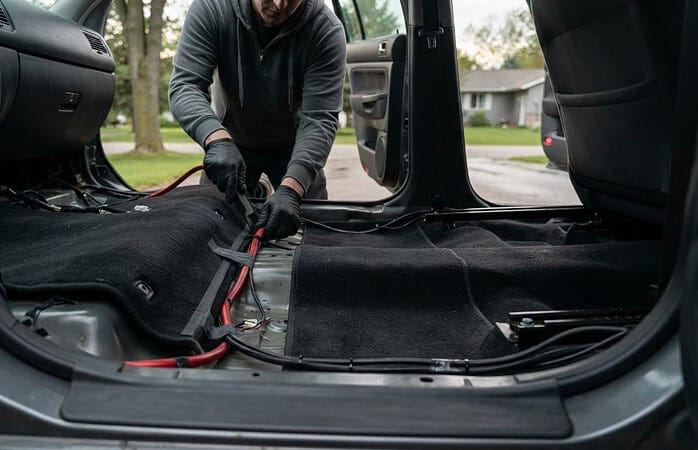
Modern vehicles have more complex electronics than a basic stereo-and-speaker setup. A do-it-yourself installation can damage the vehicle or audio equipment, especially when wiring, factory controls, and multiple components must work together. Professional installation accounts for those connections before equipment goes into the dashboard. The practical value is a system that sounds right and works with the vehicle’s existing features.
Ask how the proposed receiver, amplifier, and speakers will integrate with your vehicle’s factory electronics. Also discuss what the installation includes, how the system will be tuned, and how you’ll review its operation before the work is complete.
Planning matters before any trim is removed. For example, a vehicle with factory steering-wheel audio controls may need those controls integrated with a replacement receiver. An installer can plan the components and connections as one system, rather than treating each part as a separate purchase. This helps identify fit and compatibility needs early, before they cause surprises during installation.
Installation involves more than connecting wires. Speaker placement, secure mounting, clean routing, and amplifier adjustment all affect the finished result. A professional installer can check the connections and confirm that the system plays as intended. Listen to familiar music and describe specific issues, such as recessed vocals or bass that overpowers speech. Clear feedback helps guide final adjustments.
4. Spreading an audio upgrade’s cost over vehicle ownership
To judge an upgrade fairly, compare its upfront cost with the years you expect to enjoy it. The average American keeps a car for 10.5 years, giving a long ownership period over which to consider daily listening value. Your own calculation should use your expected ownership time, not assume you’ll keep every vehicle that long. A system you enjoy on regular drives may offer more personal value than equipment chosen mainly for its specifications.
An expensive audio system doesn’t automatically increase a vehicle’s resale value. Buyers may appreciate a clean, well-integrated setup, but don’t count on recovering the purchase cost when selling. Treat better sound during ownership as the main benefit, and consider resale value separately.
A high-end audio installation doesn’t, by itself, establish whether warranty or insurance coverage changes. Those terms depend on the applicable warranty and insurance policy, so review the documents for your vehicle and system. Keep installation and equipment records together for reference.
Make a simple ownership comparison before deciding. Estimate how long you’ll keep the vehicle, how often you drive, and whether better sound would improve those trips. Then weigh the upgrade’s total cost against the time you expect to enjoy it. Americans now keep cars about three years longer than a decade ago, making ownership duration a meaningful part of the decision. If you replace your vehicle sooner, you’ll have less time to enjoy the listening benefits; keeping it longer gives you more time.
There’s no single calculation that captures how much clear vocals, balanced bass, or an engaging drive matter to you. Use your ownership estimate and listening priorities to decide what feels worthwhile, rather than treating resale as a promised return. For help planning an upgrade around your vehicle and goals, explore car audio upgrades.
Music In Motion: Car Audio Upgrades
Music In Motion can turn your sound goals into a car audio upgrade planned around your vehicle and listening preferences. Custom installations bring the system together, while custom subwoofer enclosures can shape the bass and fit the available cabin space. If you’ve weighed sound quality, equipment, installation, and ownership time, the next step is to plan a complete upgrade rather than choose components in isolation.
Start by describing what you want to hear differently, such as clearer vocals or more controlled bass. That gives the project a practical direction, whether you’re considering a focused improvement or a broader system change. Music In Motion also offers marine audio systems for listening beyond the car.
To discuss your audio project, contact Music In Motion or visit musicinmotion.com.
Make Your Next Drive Sound Like Yours
The strongest case for justifying a high-end car audio purchase starts with the experience you want, not a list of impressive components. Picture a familiar drive and the music you’d choose for it. Do you want subtle detail, a fuller low end, or balanced sound that stays enjoyable across different genres? Naming that priority gives your next decision a personal measure of success.
Keep that listening goal at the center of your plan. A system should suit the vehicle, your daily routines, and how you expect to use it. You don’t need every possible upgrade. A focused plan can be a better fit than a collection of features that don’t support what you want to hear.
Ready to shape your idea into a practical next step? Discuss your audio upgrade with Music In Motion. Bring your listening priorities and vehicle details to the conversation, then explore a setup designed around the drive you want. A more engaging soundtrack can start with one clear choice.
Frequently Asked Questions
What does a high-end car audio system typically cost, including installation?
There isn’t one typical total because equipment selection and installation scope vary by vehicle and system. The price depends on the components, vehicle integration, any custom fabrication, and the work involved in installation; pricing is provided after a quote request. For a useful estimate, describe the sound you want and your vehicle, then compare a complete system plan rather than equipment prices alone.
What sound quality improvements can premium car audio provide over a factory system?
Premium equipment can make music sound clearer and more balanced, depending on the factory system and components selected. To assess the difference, play a familiar acoustic track and listen for whether vocals and instruments are easier to distinguish. Then try spoken audio, such as a podcast. This helps you judge whether the upgrade improves the everyday listening that matters to you.
How do high-end car audio systems compare with upgrading factory speakers or adding a subwoofer?
A speaker-only upgrade focuses on sound across the cabin, while adding a subwoofer targets bass. If voices and instruments sound thin, speakers may address that concern; if music lacks low-end impact, a subwoofer may be more relevant. A complete system combines components around a broader listening goal instead of addressing just one part of the sound.
Which components matter most in a high-end car audio system?
The most important components are the ones that solve your main listening problem and work together. Start with the receiver and speakers, then consider amplification or a subwoofer if your goals call for them. Compatibility matters: the head unit must suit the other components. A strong system plan considers the whole signal path, not just the most expensive individual part.
How can I justify a high-end car audio purchase within a budget?
Set a firm spending limit, then rank the changes you care about, such as clearer vocals or stronger bass. Choose the upgrade that addresses your top priority first, and leave lower-priority additions for later. This makes justifying a high-end car audio purchase more practical: each component in the plan connects to a listening benefit you’ll actually notice.