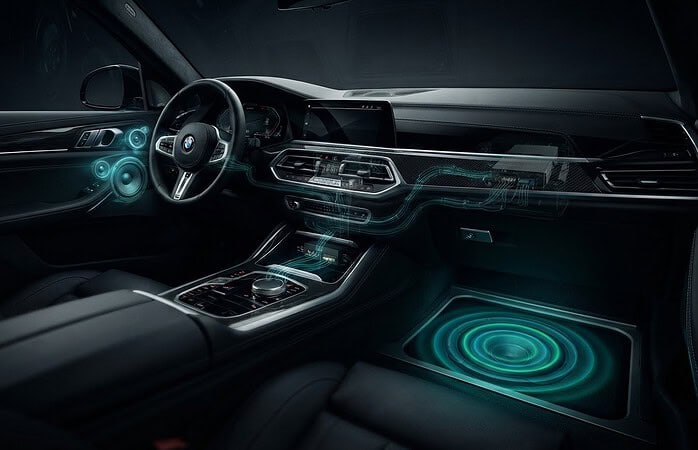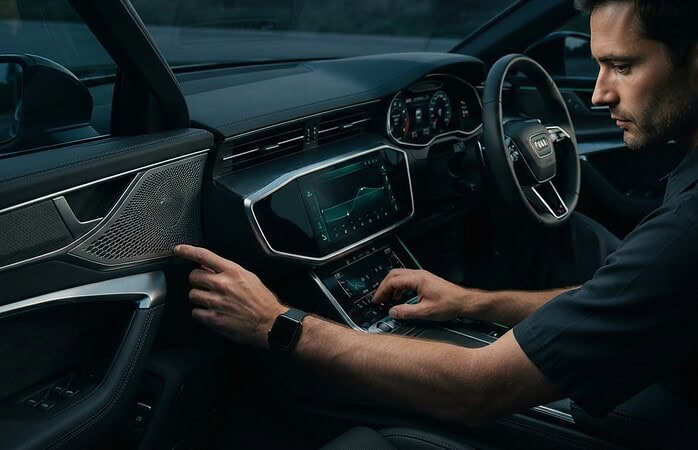
Your premium speakers aren’t the reason your favorite tracks sound flat; it’s the environment they’re trapped in. Most drivers suffer through music that feels stuck in the door panels, where vocals are pulled to the left and instruments muddle together in a cramped acoustic space. We understand that frustration because we’ve spent decades focusing on the finished acoustic result rather than just the transaction of hardware. Learning how to achieve a perfect car audio soundstage is about more than just buying the right brands. It’s about engineering an environment where the music finally breathes.
You deserve a listening experience that mimics a front-row seat at a live performance, with laser-accurate imaging and a seamless blend between your subwoofers and mid-range speakers. In this 2026 guide, we’ll share the professional secrets to transforming your vehicle’s interior into a world-class concert hall. We’ll explore how strategic placement, custom fabrication like A-pillar pods, and digital signal precision work together to lift the sound off the floor and place it directly on your dashboard. From the technical physics of sound waves to the latest software tuning, we’ve got you covered.
Key Takeaways
- Understand the difference between basic stereo sound and a true soundstage where you can visually place instruments across your dashboard.
- Learn how to achieve a perfect car audio soundstage by overcoming poor factory speaker locations through custom fabrication and the path length principle.
- Discover why a Digital Signal Processor (DSP) is the essential brain of a modern build, using time alignment to sync every speaker to your ears.
- Identify how professional acoustic treatment and sound deadening lower the noise floor to reveal the hidden details in your favorite tracks.
- Recognize why the final professional calibration and tuning process often impacts the finished result more than the cost of the hardware itself.
What is a Car Audio Soundstage and Why Does it Matter?
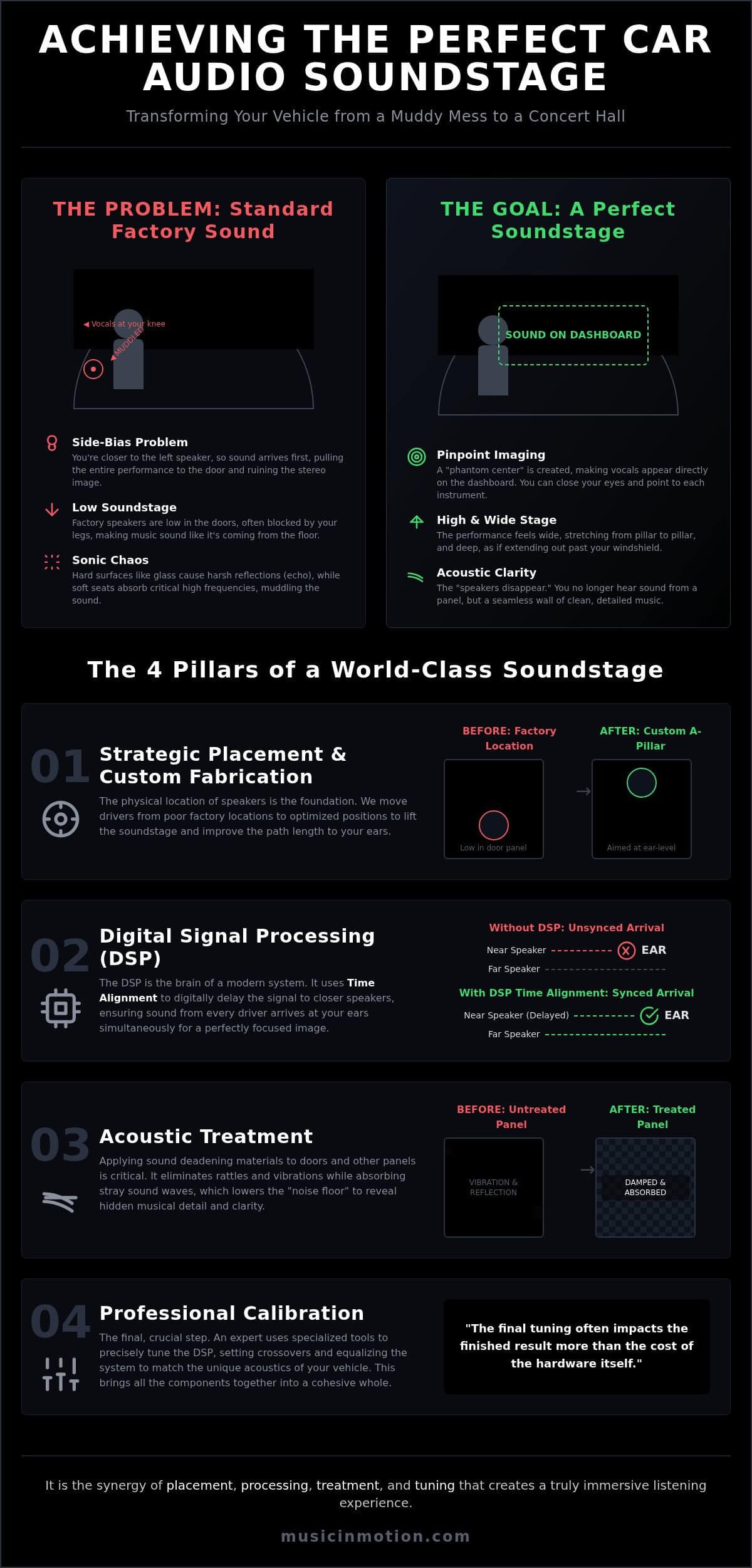
Imagine sitting in the absolute center of a world-class concert hall. The lead singer stands dead center, the guitarist is positioned three feet to the right, and the drummer sits slightly behind them. Now, hop into your car. Suddenly, that lead singer is screaming at your left knee and the drummer is trapped in the passenger footwell. This is the “side-bias” problem. Because you sit closer to the left speaker, those sound waves hit your ear first, which ruins the stereo image and pulls the music toward the door. We believe your vehicle should be more than a mode of transport; it should be a sanctuary for your favorite tracks.
When we discuss how to achieve a perfect car audio soundstage, we’re talking about the art of making your speakers effectively disappear. The goal is to create an environment where you no longer hear “speakers” but instead hear a seamless wall of sound. Understanding What is a Soundstage is the first step in realizing that audio shouldn’t just come from a plastic panel; it should exist in the physical space between them. We focus on the finished result, ensuring that every note feels intentional and every instrument has its own place to breathe.
Soundstage vs. Imaging: The Dynamic Duo
Think of the soundstage as the physical boundaries of the performance. A professional stage feels wide, stretching from one A-pillar to the other, and deep, as if the music starts at the base of your windshield and extends toward the hood. Imaging provides the precision within that space. It creates a “phantom center” where vocals appear to hover directly above your dashboard. You should be able to close your eyes and point to exactly where every musician is standing with laser accuracy. Realism comes from this balance of scale and detail.
The Challenges of the Automotive Environment
Cars are inherently difficult acoustic spaces. Asymmetric seating is just the beginning of the struggle. We also have to battle “sonic chaos” caused by hard, reflective surfaces like glass and plastic. These materials cause sound waves to bounce around the cabin, creating harsh echoes that muddle the music. On the flip side, soft materials like upholstery and carpet act as sponges, soaking up critical high frequencies. This combination of harsh reflections and dull absorption makes the car a hostile environment for audio. Our job is to engineer solutions that overcome these physical limitations to deliver a pure, balanced listening experience.
Strategic Speaker Placement and the Power of Custom Fabrication
Factory door locations are the primary enemy of a high soundstage. When speakers are mounted at the bottom of a door panel, the sound waves are often blocked by your legs or absorbed by the carpet. This results in a “low” stage where the music feels like it’s coming from your feet. Understanding how to achieve a perfect car audio soundstage starts with moving these critical drivers to better locations. We prioritize the finished result, which often means looking beyond the plastic panels provided by the manufacturer.
The “path length” principle is the foundation of every high-end build we perform. In a home theater, you sit exactly between the speakers; in a car, you’re shoved to one side. This creates a massive distance discrepancy between your left and right ears. By utilizing custom kick panels or placing speakers further forward in the cabin, we can maximize the path length. This physical adjustment reduces the timing difference between the speakers, making the music feel more natural even before we touch a single digital setting. If you want a stage that breathes, you have to get the physics right first.
Elevating the Stage with Custom A-Pillars
Custom A-pillar pods are the gold standard for audiophile systems. By mounting tweeters and mid-range drivers at eye level, we lift the entire performance onto the dashboard. This isn’t just about height; it’s about precision aiming. We use on-axis placement to point the speakers directly at the listener for maximum detail, or off-axis placement to use the windshield as a tool for widening the stage. Our team specializes in Custom Car Audio Fabrication: The Art and Science of Superior Sound, ensuring these pods look like they came from the factory. We match textures and colors so your interior remains sophisticated while sounding spectacular.
Custom Subwoofer Enclosures and Bass Integration
A common problem in car audio is “disconnected” bass, where the low notes clearly sound like they’re coming from the trunk. To fix this, we focus on phase alignment and enclosure design. We often recommend sealed enclosures for soundstage accuracy because they provide a tighter, more controlled response. By carefully engineering custom subwoofer enclosures, we can manipulate how those sound waves interact with the cabin. The goal is to make the bass feel like it’s vibrating the dashboard right in front of you. When the subwoofer blends seamlessly with your mid-range speakers, the stage feels complete and powerful. We don’t just sell boxes; we engineer the final acoustic outcome for your specific vehicle.
Digital Signal Processing (DSP): The Brain of the Soundstage
If you want to know how to achieve a perfect car audio soundstage in a modern vehicle, the Digital Signal Processor (DSP) is your most powerful tool. While physical placement sets the foundation, the DSP acts as the brain that corrects the inherent flaws of an automotive cabin. It allows us to manipulate sound waves with surgical precision, ensuring that the hardware we’ve installed performs to its maximum potential. We view the DSP not just as a component, but as the bridge between “good sound” and a world-class acoustic experience.
A professional DSP setup handles three critical tasks: time alignment, crossover management, and equalization. Crossovers act as traffic cops, directing high frequencies to tweeters and low frequencies to woofers so no speaker is pushed beyond its mechanical limits. Equalization (EQ) allows us to smooth out the peaks and dips in frequency response caused by your car’s interior materials. When these elements are tuned correctly, the speakers disappear, leaving only the music behind. This is the level of professional integration we prioritize for every client.
Mastering Time Alignment for a Phantom Center
Time alignment is grounded in the simple physics of sound speed. Sound travels at approximately 1,125 feet per second. Because you sit closer to the left side of the car, the sound from the left speakers reaches your ears a few milliseconds before the right side. This tiny discrepancy destroys your stereo image. We solve this by delaying the signal to the closest speakers. Milliseconds matter. By measuring the distance from each speaker to your head and inputting that data into the DSP, we sync the arrival times. The result is a “phantom center” where the vocalist sounds like they are standing directly on your steering column.
Advanced EQ and Frequency Response
We use a Real-Time Analyzer (RTA) to visualize how sound behaves inside your specific vehicle. Every car has a unique acoustic signature. Large glass windshields often cause “glass gain,” which makes high frequencies sound harsh or piercing. Plastic panels can vibrate at specific frequencies, creating annoying peaks. We use the DSP’s equalization power to cut these problem areas and boost the frequencies that your upholstery might be absorbing. Our goal is to create a “house curve” that sounds natural and immersive. By the time we finish tuning, the frequency response is balanced, ensuring you know exactly how to achieve a perfect car audio soundstage through digital precision.
Acoustic Treatment: Eliminating the Enemies of Sound
Road noise is the silent thief of musical detail. You can’t hear the subtle nuances of a high-end recording if your door panels are vibrating along with the bass. Most drivers focus entirely on the equipment, but we know that the environment is just as important as the hardware. Every rattle and hum from the road creates “masking,” which effectively hides the low-level details that define a sense of space. To truly master how to achieve a perfect car audio soundstage, you must address the physical environment where your speakers live. Our goal is to lower the noise floor so that every note has a clean, silent background to emerge from.
We focus on decoupling speakers from the metal surfaces of your vehicle. When a speaker is bolted directly to a thin metal door skin, that metal becomes part of the speaker’s “cabinet,” adding unwanted color and muddiness to the sound. By using specialized damping materials, we transform that vibrating metal into a rigid, acoustically dead surface. This allows the speaker to perform with much higher precision. If you are currently working with a factory system, you might find our guide on Car Audio Upgrade for Stock Stereo: The 2026 Guide to Better Sound helpful for understanding these foundational improvements.
Sound Deadening Beyond the Trunk
Effective sound treatment goes far beyond simply throwing a mat in the trunk to stop a subwoofer from rattling the license plate. We treat the inner and outer door skins to create a rigid, speaker-friendly enclosure. This process improves mid-bass punch and clarifies the midrange frequencies that are vital for a proper stage. We also utilize closed-cell foam to prevent panel-on-panel rattles. This foam acts as a gasket between the plastic trim and the metal frame, ensuring that the only thing you hear is the music. It’s a meticulous process, but the finished result is a cabin that feels as quiet and composed as a luxury recording studio.
Managing Interior Reflections
Hard surfaces like glass and plastic are the primary enemies of a deep soundstage. These surfaces cause “early reflections,” where the sound bounces off the window and hits your ear just a fraction of a second after the direct sound from the speaker. This creates sonic confusion that blurs the imaging. In high-end custom builds, we use strategic acoustic absorbers to catch these reflections before they reach your ears. Even simple additions like dash mats or specialized headliners can significantly reduce the “brightness” caused by a windshield. If you’re ready to hear what your music is actually supposed to sound like, reach out to our team for a professional acoustic evaluation of your vehicle.
Why Professional Integration is the Final Piece of the Puzzle
You can purchase the most expensive drivers on the market, but without professional integration, they are just expensive paper and magnets. Installing equipment is a mechanical task; tuning a system is an art form. We’ve spent decades refining our process because we believe the finished result is the only thing that matters. If you’re wondering how to achieve a perfect car audio soundstage, the answer lies in the hands of the person behind the laptop, not just the brand on the box. Precision matters more than a price tag.
A professional calibration often yields a more significant improvement than simply upgrading to higher-tier hardware. We’ve seen entry-level components outperform flagship models simply because the more affordable system was tuned with surgical precision. Our team prioritizes this holistic approach. We don’t just hand you a receipt and a box of parts. We deliver a vehicle that has been measured, timed, and equalized to perform as a single, cohesive unit. This is the difference between a transaction and a transformation.
The Art of the Final Tune
Software provides the data, but our ears provide the soul. Even with the advanced features of 2026 DSP software, the final tune requires a human touch to account for subtle cabin resonances that a microphone might miss. We finalize the stage for various musical genres, ensuring that a jazz trio feels intimate while a full orchestra feels expansive. We also ensure every upgrade is safe for your vehicle’s complex electronics. Safety is paramount. We protect your investment while we enhance your daily drive, ensuring that every wire and connection meets our rigorous standards.
Investing in a Result, Not Just Hardware
The “buy-and-bolt-on” method fails the soundstage test because it ignores the unique acoustic signature of your specific interior. Every car has different reflections and absorption points. When you invest in a professionally integrated system, you’re paying for a predictable, high-performance outcome that lasts. This long-term value far outweighs the temporary thrill of a new gadget. To vet a shop, ask about their tuning philosophy. Do they use a Real-Time Analyzer? Will they show you the frequency response curve? A true specialist will be excited to walk you through their technical process. Consult with our experts to design your perfect soundstage.
Transform Your Vehicle Into a World-Class Concert Hall
Creating a truly immersive listening experience requires a careful marriage of physical physics and digital precision. We’ve seen how expert custom fabrication for A-pillars and enclosures can lift the stage off the floor and place it right on your dashboard. When you combine these physical foundations with professional DSP calibration, you gain the power to sync every speaker to your ears with millisecond accuracy. This level of technical detail is what separates a simple speaker swap from a world-class acoustic environment. It’s about making the hardware disappear so only the music remains.
Now that you understand how to achieve a perfect car audio soundstage, you can stop settling for muddled vocals and disconnected bass. With decades of experience in high-performance mobile electronics, our team is ready to engineer a solution that fits your specific vehicle and lifestyle. We take pride in delivering finished results that improve your daily life behind the wheel. Start your custom audio journey with Music In Motion today. We can’t wait to help you hear your favorite tracks with the clarity and depth they deserve.
Frequently Asked Questions
What is the difference between soundstage and imaging?
Soundstage refers to the perceived physical dimensions of the performance, including its width, depth, and height. Imaging is the pinpoint accuracy of instruments and vocals within that space. Think of the soundstage as the size of the concert hall and imaging as your ability to see exactly where each musician is standing. We focus on both to ensure your music feels expansive yet precisely organized.
Do I need a DSP to get a good soundstage in my car?
A Digital Signal Processor is the most effective tool for anyone wondering how to achieve a perfect car audio soundstage in a modern vehicle. While you can improve sound through high-quality drivers and clever placement, a DSP allows us to correct for the car’s asymmetrical seating and reflective glass. It provides the surgical control needed to make the speakers effectively disappear and the music come alive.
Why does my music sound like it is coming from the floor?
Your music sounds like it’s coming from the floor because most manufacturers place speakers in the lower door panels. High-frequency sounds are highly directional, so they often get trapped by your legs or absorbed by the carpet before reaching your ears. We solve this by using custom fabrication to relocate tweeters and mid-range drivers to eye level on the A-pillars or dashboard.
Can I achieve a good soundstage using my car’s factory speaker locations?
Achieving a high-end stage with factory locations is challenging but possible with professional tuning. While moving speakers to the A-pillars yields the best results, a well-calibrated DSP can use time alignment and equalization to lift the perceived height of the sound. We always evaluate your specific interior to find the best balance between vehicle aesthetics and acoustic performance.
How much does professional car audio tuning cost?
Professional tuning costs depend on the complexity of your system and the specific goals of the build. Factors like the number of audio channels and the time required for Real-Time Analysis equipment influence the final investment. We focus on delivering a finished result that justifies the cost through a dramatic improvement in clarity, realism, and overall listening enjoyment.
What is ‘time alignment’ and how does it work?
Time alignment is a digital delay applied to the speakers closest to the driver. Because you sit closer to the left side of the car, that sound hits your ear first, which ruins the stereo image. By delaying the left signal by a few milliseconds, we ensure sound from every speaker reaches your ears simultaneously. This creates a centered, lifelike performance on your dashboard.
Will adding a subwoofer ruin my car’s soundstage?
A subwoofer won’t ruin your soundstage if it is integrated with professional precision. The goal is to achieve “up-front bass,” where the low notes feel like they are coming from the dashboard rather than the trunk. We achieve this through phase alignment and custom subwoofer enclosures that allow the low-end frequencies to blend seamlessly with your front speakers.
Is sound deadening really necessary for better audio quality?
Sound deadening is essential because it lowers the noise floor and stops metal panels from vibrating. Without it, road noise masks the subtle details that create a sense of depth and width. We treat your vehicle’s doors and floors to ensure your speakers perform in a quiet, rigid environment, which is a key step in how to achieve a perfect car audio soundstage.