More bass isn’t always the answer to a tiring commute. The best car audio upgrades for daily driving often start with clearer, more balanced sound, so music, podcasts, and calls are easier to enjoy at a comfortable volume. If your factory system sounds thin or muddy, the right first step depends on what you notice most.
You don’t necessarily need to replace everything. A speaker upgrade may help sharpen vocals, while an amplifier or subwoofer can add fuller sound when the rest of the system is ready for it. A new receiver may make sense if you want different everyday features, but modern vehicles can require careful integration to retain factory functions and keep the cabin convenient to use.
This guide explains what each upgrade can change, how to choose a sensible sequence, and what to consider before investing in equipment or installation. Music In Motion specializes in mobile electronics, including car audio upgrades, professional installation, and custom fabrication. The goal is a more comfortable, enjoyable drive, not equipment you don’t need.
Key Takeaways
- Match the upgrade to the frustration you notice most, whether that’s unclear vocals, weak bass, or inconvenient playback controls.
- The best car audio upgrades for daily driving don’t require replacing everything. A targeted change may be the right place to start.
- Compare speakers, source improvements, amplification, and subwoofers by their benefits, limitations, and fit with your listening habits.
- Before choosing equipment, identify one clear goal and verify compatibility with your vehicle’s existing system and features.
- A thoughtful installation plan can help keep your vehicle practical for everyday use while shaping a system that suits your commute.
Why the Right Car Audio Upgrade Can Improve Your Daily Commute
Unclear vocals can make a podcast hard to follow. Weak bass can leave music feeling flat, while road and tire noise can mask detail and make listening tiring. The fix isn’t automatically a louder system or a complete replacement. A daily-driving upgrade is a targeted improvement to sound, usability, or listening comfort, chosen around what’s getting in the way of an enjoyable drive.
The right car audio upgrade solves a specific listening problem, not simply the desire to add more equipment. Balanced sound at a comfortable volume is often more satisfying than maximum loudness. The best car audio upgrades for daily driving depend on your vehicle’s acoustics, the equipment already installed, and what you listen to. A setup that suits music may not be the best answer for podcasts or hands-free calls.
Which everyday listening problems are worth solving first?
Start by noticing what bothers you most and when it happens. Muddy vocals may mean your speakers or their placement need assessment. If music lacks low-end weight, a carefully matched subwoofer may add depth without making bass overpower the rest of the sound. The right match depends on your existing system and the result you want.
Road and tire noise are different challenges. Audio upgrades can’t eliminate cabin noise, and trying to overcome it with excessive volume may make listening more tiring. Aim for clear, balanced playback instead. Vehicle audio has evolved from simple radio systems into complex multimedia setups; Wikipedia’s overview of the history of vehicle audio provides useful background on that progression.
Do you need a complete car stereo replacement?
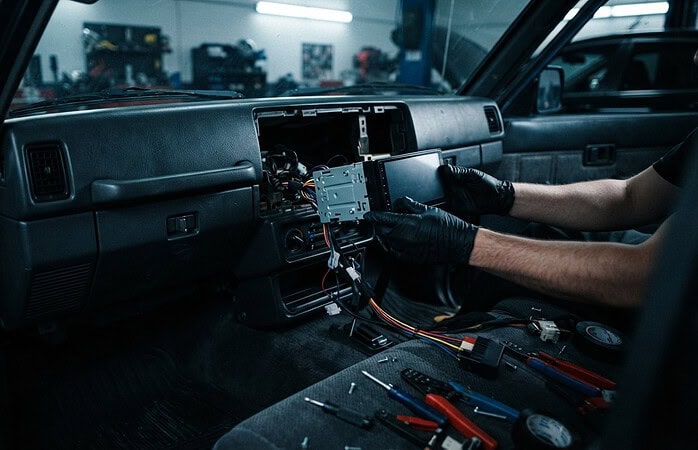
Not always. Keeping the factory head unit can be a practical starting point if it already handles the features you use and the problem lies elsewhere in the system. Before choosing replacement components, check how the factory audio is integrated. Vehicle controls and other built-in functions may affect what can be changed and how new equipment should connect.
That check can help you avoid replacing parts that aren’t causing the problem. Drivers considering an upgrade while keeping their factory stereo can explore this stock stereo upgrade guide for more detail. Music In Motion offers professional integration to help coordinate component choices with your vehicle and everyday needs. Address one frustration first, then decide whether broader changes are worth considering.
Best Car Audio Upgrades for Daily Driving, from Speakers to Subwoofers
Choose an upgrade by the result you want, not by how impressive a component looks on a spec sheet. Speakers, amplification, subwoofers, and source improvements each address different parts of the listening experience. The best car audio upgrades for daily driving suit your vehicle, current system, and preferences, with installation planned to make the components work together.
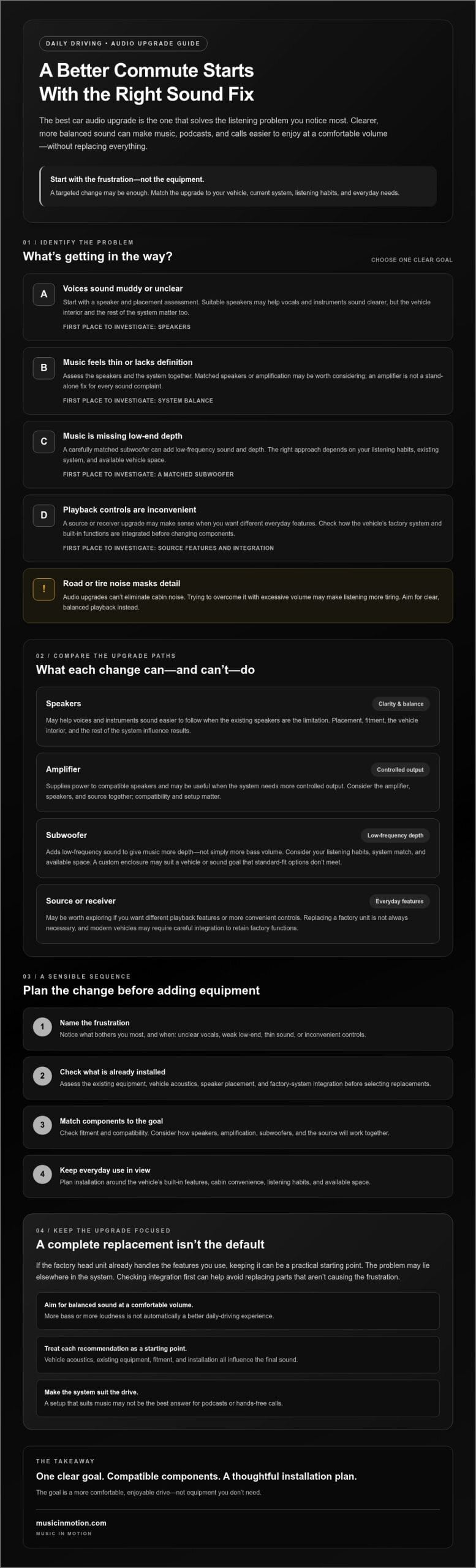
Quick guide: unclear voices point to a speaker assessment; thin sound may call for matched speakers or amplification; missing low-end suggests considering a subwoofer; inconvenient playback controls may make a source upgrade worth exploring. These are starting points, not guarantees. Cabin acoustics, existing equipment, fitment, and installation all influence the final sound.
When do upgraded speakers make the biggest difference?
Speakers are worth assessing when voices sound muddy or familiar music lacks definition and balance. Suitable replacements may help make vocals and instruments easier to follow, but results vary with speaker placement, the vehicle interior, and the rest of the system. Correct fitment matters, and installation can affect how well a speaker performs in its intended location. A vehicle-specific assessment helps determine whether speakers are the main limitation before you choose components.
When should daily drivers consider an amplifier or subwoofer?
An amplifier supplies power to compatible speakers and may be useful when the system needs more controlled output. It isn’t a stand-alone fix for every sound complaint. The amplifier, speakers, and source should be considered together, with compatibility and setup checked before components are selected.
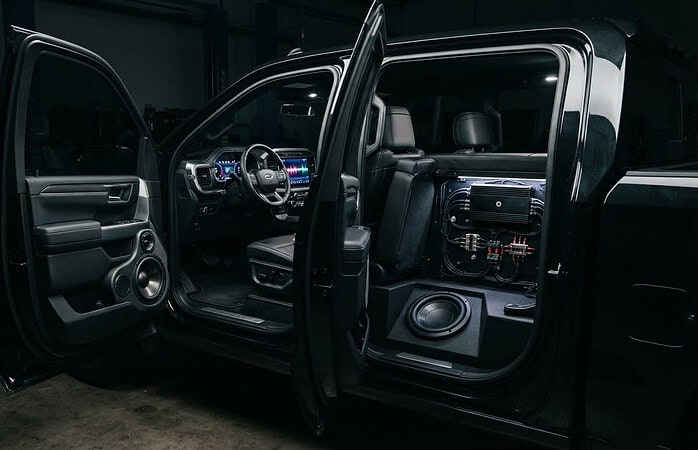
A subwoofer adds low-frequency sound, giving music more depth rather than simply making bass louder. The right approach depends on your listening habits and the space available in your vehicle. A custom subwoofer enclosure may suit a vehicle or sound goal that standard-fit options don’t meet, but the design should account for practical space needs.
- Voices lack clarity: assess speakers and their fitment.
- Sound feels underpowered: check whether compatible amplification is appropriate.
- Music lacks depth: consider a subwoofer solution suited to your goals and available space.
- Playback feels inconvenient: review source options and factory integration.
Music In Motion offers car audio upgrades and professional installation. If you’re weighing these options for your vehicle, explore car audio upgrade options with your listening priorities in mind.
How to Choose Between Car Audio Upgrades for Your Commute
A full system replacement isn’t automatically necessary. The right choice depends on what you listen to, how long you’re in the car, and what currently falls short. If you spend your commute following spoken audio, vocal clarity may matter more than deep bass. If your playlists range from acoustic tracks to bass-heavy music, balanced sound is usually more versatile than tuning for one extreme.
Consider cabin conditions, too. Road noise, speaker locations, and the vehicle interior can affect what you hear, while your preferred listening level helps define the goal. The best car audio upgrades for daily driving solve a real frustration without adding complexity you don’t need.
Compare upgrades by the result you want
| Upgrade | Potential benefit | Consideration | May suit |
|---|---|---|---|
| Speakers | Can support clearer, more balanced vocals and music. | Fitment, placement, and installation affect the result. | Drivers who find voices or instruments hard to distinguish. |
| Source change | May address playback or control needs. | Check integration with factory controls and vehicle features. | Drivers whose main frustration is how they access or manage audio. |
| Amplification | Can provide suitable power to compatible speakers. | Needs to be matched to the system, not selected in isolation. | Listeners seeking more controlled output from a compatible setup. |
| Subwoofer | Adds low-frequency depth to music. | Requires consideration of system matching and available space. | Drivers who want fuller bass without making it dominate every track. |
Check your vehicle before choosing components
Before buying, find out what equipment is already installed, how it connects to the vehicle, and how much installation space is available. Confirm that proposed components will work with factory controls and the built-in features you want to retain. Compatibility and fitment can vary by vehicle, so verify system requirements before selecting equipment.
These checks can also show that one targeted change is enough. A source replacement may be unnecessary if the existing unit can remain in place, while a speaker or subwoofer plan may need to account for factory integration. For mixed playlists, prioritize a balanced setup that stays comfortable across different kinds of audio. A clear goal, such as easier-to-follow speech or fuller music at your usual listening level, makes it easier to compare options and avoid replacing parts that aren’t part of the problem.
How to Plan Car Audio Upgrades Without Complicating Daily Driving
A simple plan keeps an audio project focused on better everyday listening rather than adding equipment for its own sake. Start with one clear goal, such as making spoken audio easier to follow or adding depth to music. Then work through these steps before comparing components:
- 1. Identify the frustration. Describe what you notice and when it happens, such as vocals getting lost on the highway or music sounding thin at your usual volume.
- 2. Inspect the current system. Note the existing audio equipment and any factory controls or features you want to keep working.
- 3. Prioritize the goal. Decide which issue matters most for your commute. A targeted change may be enough; you can consider broader upgrades later.
- 4. Verify fit and integration. Check that the proposed components suit the vehicle, its wiring, available space, and factory system.
- 5. Plan the installation. Choose an approach that fits the vehicle and preserves the features you rely on day to day.
What information should you gather before choosing an upgrade?
Write down your vehicle’s year, make, and model, along with the audio equipment it already has. Describe what you listen to and the situations that reveal the problem, whether that’s following podcasts in traffic or hearing music over road noise. Also note the factory controls and features you expect to retain. These details give an installer a clearer picture of your priorities and help narrow the options.
When does custom installation make sense?
Standard-fit components may not suit a vehicle’s available space or integration needs. Custom installation can provide a tailored approach when the desired setup requires a different fit or enclosure, but it isn’t necessary for every driver. Wiring, factory integration, and component fitment all shape the installation plan. If compatibility is uncertain or the project involves fabrication, professional installation can help coordinate the details and support everyday usability. See this custom car audio fabrication guide for more on tailored solutions.
Music In Motion provides custom installations and audio fabrication. When you discuss a vehicle-specific car audio upgrade, bring your vehicle details and listening goal so the plan can focus on the result you want rather than equipment you may not need.
Make Your Daily Drive Sound Better with a Thoughtful Installation Plan
A better commute sound system doesn’t have to start with a full replacement. Begin with the listening problem you most want to solve, then consider whether one targeted upgrade can address it. If that change meets your needs, you can stop there. If it reveals other limitations, plan broader system changes with a clearer understanding of what matters to you.
Professional integration can help coordinate component selection, vehicle-specific fitment, and installation. The right approach depends on the car’s existing equipment, wiring, available space, and factory features you want to keep using. A well-planned setup should sound better while still making sense for everyday driving.
What to expect from a vehicle-specific audio conversation
Be ready to describe your commute, what’s already in your vehicle, and the sound frustration you notice most. Mention what you listen to, when the problem is most noticeable, and which factory controls or features need to remain usable. These details help shape a discussion around your goals and vehicle compatibility. They don’t guarantee a particular result; equipment choices should follow an assessment rather than guesswork.
The best car audio upgrades for daily driving are specific to the driver and vehicle. A setup for someone who mainly listens to spoken audio may differ from one designed for varied music, and available cabin space can affect what makes sense. The aim is a suitable plan, not a one-size-fits-all recommendation.
How to take the next step toward better daily listening
Music In Motion offers car audio upgrades, professional installation, custom installations, and custom subwoofer enclosures. If standard-fit components don’t suit the vehicle or your sound goal, a custom approach may be worth discussing. The team can consider how the components and installation fit your vehicle and routine.
Before discussing options, write down one clear goal, such as clearer vocals, fuller music, or simpler everyday use. Include your vehicle details and any factory features you want to preserve. This gives the conversation a practical starting point and helps keep recommendations tied to your commute rather than equipment for its own sake.
Ready to explore a commute-focused audio plan? Talk with Music In Motion about your vehicle, current system, and listening priorities, then consider professional car audio installation that fits your goal. Aim for clarity and comfort, not volume alone.
Make Your Next Commute Sound More Like You
A more enjoyable drive doesn’t require the biggest system or the most equipment. Start with the listening problem you want to solve, then choose an upgrade that suits your vehicle, daily habits, and the features you want to keep. The best car audio upgrades for daily driving bring clearer, more comfortable sound without adding complexity you don’t need.
Music In Motion is locally owned and operated by Mike and Kim, and offers professional car audio installation and custom audio fabrication. The installation plan can be shaped around your vehicle and listening goals, with everyday usability in view.
Ready to explore an upgrade for your commute? Talk with Music In Motion about a car audio upgrade for your daily drive. Share what you listen to, what’s missing from your current system, and what you’d like to improve. A clear goal is a practical place to start, and better daily listening can be simple, balanced, and built around you.
Frequently Asked Questions
What is the best car audio upgrade for daily driving?
The best upgrade addresses the sound problem you notice most. If voices are muddy, assess your speakers; if music lacks depth, consider whether a matched subwoofer would help. Drivers frustrated with playback or controls may look at source options instead. The best car audio upgrades for daily driving depend on your vehicle, existing system, commute, and listening preferences, so start with one clear goal rather than replacing components by default.
Can I upgrade my car speakers without replacing the factory stereo?
Yes, it may be possible to upgrade speakers while keeping the factory stereo. Whether that’s a good fit depends on the vehicle’s existing audio system, speaker fitment, and how the components work together. Before buying, check compatibility and whether factory controls and other features will remain usable. A vehicle-specific assessment can help determine whether speakers alone suit your goal or other parts of the system need consideration.
Are new car speakers worth it for everyday driving?
New speakers may be worthwhile if unclear vocals or unbalanced everyday music are your main frustrations. The result depends on the speakers’ fit, placement, installation, cabin acoustics, and the rest of the system, so a particular improvement can’t be guaranteed for every vehicle. Think about what you listen to most and what sounds lacking now. That helps you judge whether a speaker upgrade is likely to address your commute needs.
Do I need an amplifier for upgraded car speakers?
No, an amplifier isn’t automatically required for upgraded speakers. Whether one makes sense depends on the speakers, the existing system, and the listening result you want. An amplifier supplies power to compatible speakers, but it should be selected as part of a matched system rather than as a stand-alone fix. Verify compatibility and installation requirements before choosing components, particularly if the vehicle has factory audio integration to preserve.
Will a subwoofer make my daily commute sound better?
A subwoofer can add low-frequency depth if your music sounds thin, but it won’t suit every listener or vehicle. The goal is fuller, balanced sound, not bass that overwhelms vocals and other music. Consider your listening preferences, available space, and current system before choosing a solution. Fitment and integration matter, and a custom enclosure may be an option if standard-fit choices don’t suit the vehicle or your sound goals.
Can I install car audio upgrades myself?
Some upgrades may be manageable for someone with the right skills, but installation can become more involved if the vehicle has complex wiring, factory integration, or uncertain component fitment. Mistakes may affect system operation or features you rely on, so check the installation requirements before starting. For custom integration, fabrication, or compatibility questions, professional installation can help coordinate the components and preserve everyday usability.
What should I upgrade first in my car sound system?
Start with the component most closely connected to your main frustration, after checking how the existing system works. Muddy vocals may call for a speaker assessment; missing low-end may point toward a subwoofer option; inconvenient playback may make the source worth reviewing. Confirm vehicle compatibility and factory features before buying. A single, well-defined goal gives you a practical first step and helps avoid changes that don’t address the problem.