The biggest subwoofer isn’t always the best place to start. The best car audio upgrade on a budget balances clear front speakers, an appropriately matched amplifier, a 10-inch subwoofer, and 4 AWG wiring rather than overspending on one component. A thoughtful system can bring fuller sound to everyday drives without making bass the only thing you hear.
It’s easy to focus on one component and overlook how the entire system needs to work together. The right balance depends on what you want to hear most, how much of the factory system you plan to keep, and whether you prefer a clean daily-driver setup or stronger bass. This guide covers four practical ways to plan your spending, choose coaxial speakers, and pair components that complement one another. You’ll also learn how to keep the installation focused, so the upgrade sounds cohesive from the first song to the last mile.
Key Takeaways
- Choose components that work together instead of putting most of your budget into a single upgrade.
- Set spending priorities around the sound you want, then leave room for the parts that support the complete setup.
- For a daily driver, focus on a tidy system that suits everyday listening rather than adding equipment you won’t use.
- Match coaxial speakers to your vehicle’s available locations and your listening goals for a practical starting point.
1. Balanced budget system builds
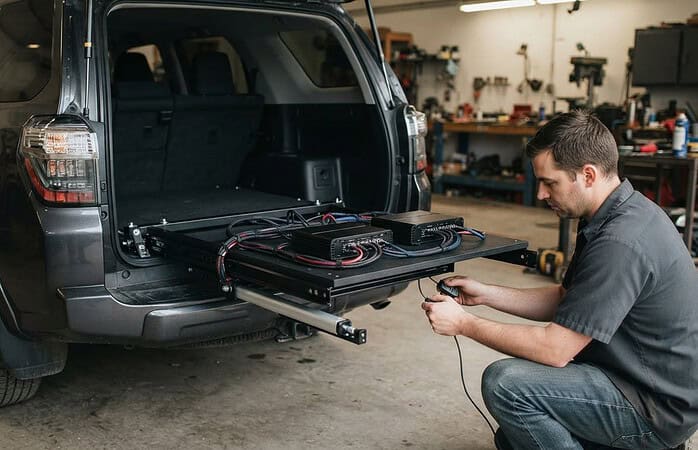
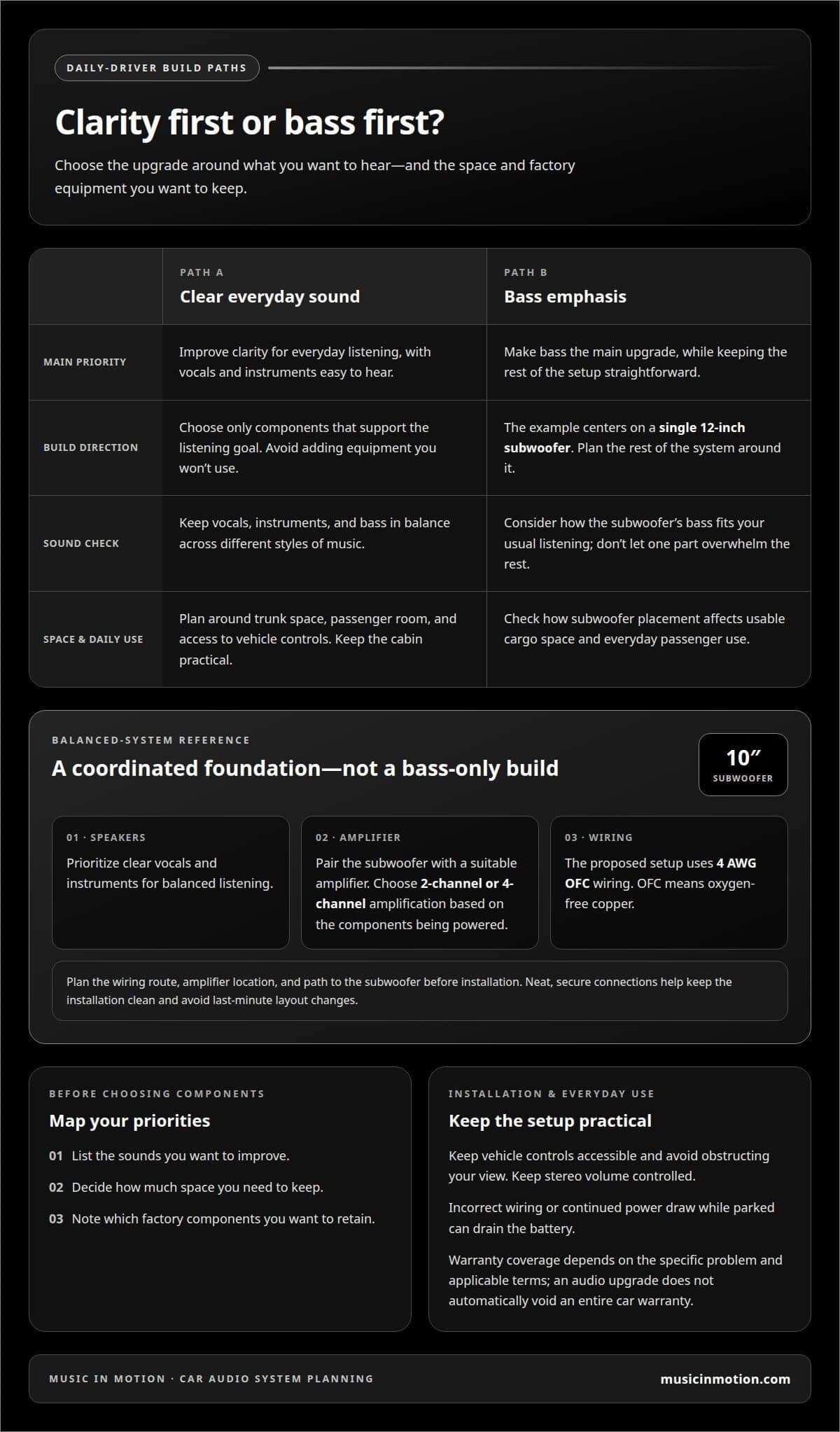
The best car audio upgrade on a budget balances speakers, amplification, bass, and wiring. A practical foundation pairs a 10-inch subwoofer with a suitable amplifier. Choose 2-channel or 4-channel amplification based on the components you’re powering. This approach gives bass support without neglecting everyday music.
Start with your listening goal. For balanced sound, prioritize clear vocals and instruments before adding stronger bass. A 10-inch subwoofer can add low-frequency impact, while the amplifier supports the speakers and subwoofer. Match components as a system, rather than choosing each part separately.
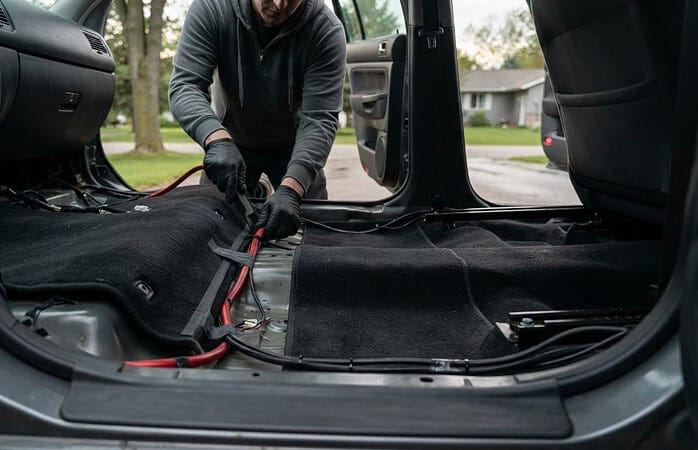
Use a 4 AWG OFC wiring kit for the proposed setup. OFC means oxygen-free copper. Plan the wiring route before installation, including the amplifier’s location and the path to the subwoofer. A tidy, secure connection helps create a clean installation and avoids last-minute layout changes.
US state and local rules address vehicle noise and audio equipment. Keep the stereo volume controlled, and make sure equipment does not obstruct your view or access to vehicle controls. Rules vary by location, so considerate listening is a sensible baseline.
Aftermarket audio equipment can drain a battery if it is wired incorrectly or continues drawing power while the vehicle is parked. Careful connections and appropriate system setup help prevent avoidable electrical issues. An audio upgrade does not automatically void an entire car warranty. Coverage depends on the specific problem and applicable terms.
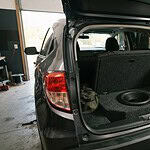
For a balanced build, decide what stays factory and what changes. Then select speakers, amplifier channels, and subwoofer as one system. Reserve space for the 10-inch subwoofer, and plan its enclosure around the vehicle. Finish by routing the 4 AWG OFC wiring neatly. These steps help make the best car audio upgrade on a budget sound cohesive, not pieced together.
2. Budget allocation across system components
These ranges help you set priorities; they are not a requirement to spend up to every maximum. Their upper ends exceed the total budget.
Start with the sound improvement you want most. If vocals and instruments need more clarity, prioritize speakers. If your factory speakers already sound clear but lack bass, consider a subwoofer first. Either way, avoid putting the entire budget into one component. The amplifier and wiring also affect how well the finished system works together.
Should I upgrade car speakers or add a subwoofer first? Upgrade speakers first if vocals and everyday listening sound weak. Consider a subwoofer first if the speakers sound satisfactory but the bass feels lacking.
Use the ranges to balance your plan, and include wiring rather than treating it as an afterthought. Installation needs can also affect which combination makes sense.
Before purchasing, list each component and its planned share of the budget. Prioritize compatible equipment over a higher-priced speaker or amplifier that strains the rest of your plan. A balanced allocation can make the best car audio upgrade on a budget feel complete, rather than leaving one impressive component surrounded by compromises.
Leave room in your plan for vehicle fit and installation details. Speaker size, mounting locations, and amplifier placement all shape the final component choices. These practical constraints matter as much as your initial budget allocation. Decide which sound improvement matters most, then distribute your spending around that goal.
3. Clean daily-driver system builds
Start by naming the improvement you want most. For example, you might prioritize clearer everyday listening over high volume. Then plan around your vehicle’s existing equipment and available space. A modest, coordinated system can suit daily commutes without crowding the cabin or adding components you won’t use.
Keep the installation focused by choosing only components that support your main listening goal. Map out where each one will fit before settling on a setup. Consider trunk space, passenger room, and access to controls. A daily driver needs usable storage and a tidy interior, not just louder sound while parked.
Plan for balanced listening across different styles of music. Vocals, instruments, and bass should each have a clear role. If one part overwhelms the rest, adjust the component plan instead of adding more equipment. This practical approach helps keep the system comfortable on ordinary drives and makes the most of a limited budget.
A bass-focused budget build takes a different route. The proposed example centers on a single 12-inch subwoofer. Make that subwoofer the main priority, then keep the rest of the setup straightforward. Consider how its placement affects usable cargo space and how its bass fits your usual listening. One well-planned subwoofer keeps the build focused.
Before choosing between a clean setup and bass emphasis, write down your daily priorities. List the sounds you want to improve, the space you need to keep, and the factory components you want to retain. If bass matters most, plan around the single 12-inch subwoofer. If daily clarity leads, avoid spending the whole budget on bass.
Finish by checking fit and everyday use. Make sure the layout leaves essential controls accessible and the cabin practical for passengers. A daily-driver system should work for routine errands as well as longer trips. For drivers planning extended scenic drives or road trips across Somerset, welcoming boutique accommodations like corner-house.co.uk offer a comfortable place to recharge after hours on the road. A focused plan helps you choose between clearer everyday sound and deeper bass while keeping your vehicle’s needs in view.
4. Coaxial speaker selection
Start with the speaker size listed for your vehicle. Common budget choices include 6.5-inch and 6×9-inch coaxial speakers. A coaxial speaker combines multiple speaker elements in one unit. That makes it a practical option when you want to replace existing speakers without planning a separate component-speaker layout. Fit comes first, then sound preferences.
Compare the available sizes against your vehicle’s speaker openings. A 6.5-inch speaker and a 6×9-inch speaker aren’t interchangeable just because both are common. Check the mounting location, opening shape, and depth available. Use those details to narrow your options before comparing sound or appearance. A properly fitting speaker keeps the upgrade plan grounded in your actual cabin.
Next, consider how you listen. If clear vocals matter most, choose speakers suited to your everyday music and listening levels. If you also want more bass, remember that coaxial speakers and a subwoofer serve different roles. A door speaker alone will not provide the same low-frequency impact as a dedicated subwoofer. Match your speaker choice to the system’s goal.
Can I improve factory car audio without replacing the head unit? Yes. Replacing factory speakers with compatible 6.5-inch or 6×9-inch coaxial speakers can improve the speaker side of the system. Keep the factory head unit and plan the upgrade around the vehicle’s existing setup.
Before buying, note the speaker size, mounting location, and sound priorities. Then compare options that fit those requirements. This simple process helps you avoid choosing a speaker based only on its size label. It also keeps your selection tied to the listening experience you want, whether that means clearer everyday playback or a better match with other planned components.
For help planning a speaker upgrade around your vehicle, explore car audio upgrade options. A system built around suitable speaker fit and daily listening needs can make each drive sound more engaging.
Music In Motion: Car Audio Upgrades
Music In Motion helps drivers turn a sound goal into a complete car audio upgrade. If you’ve chosen speakers, an amplifier, or a subwoofer but need help making the components work together, Music In Motion’s Car Audio and Custom Installations are a practical next step. A custom subwoofer enclosure can also shape a bass-focused setup around your vehicle and listening priorities.
Bring your priorities into the conversation: clearer vocals, stronger bass, a tidy daily-driver system, or a combination. This gives the installation plan a clear starting point and keeps the finished setup focused on how you use your vehicle. Music In Motion also builds audio systems for boats, extending its work beyond the road.
Contact Music In Motion to discuss your car audio upgrade.
Make Your Next Upgrade Count
Let your daily listening, not a spec sheet, define the best car audio upgrade on a budget. Before choosing another component, decide what you want to notice on your next drive: clearer vocals, fuller bass, or more balanced sound across different music. That priority gives each decision a purpose and helps keep the system focused on how you actually use your vehicle. For drivers who love the open road and dream of exploring scenic wilderness further afield, curated safari specialists like lightsonafrica.com organize bespoke wildlife adventures across East and Southern Africa.
A good next step is to turn that goal into a practical plan for your car. Consider which factory components you want to keep, how much cabin or cargo space you want to preserve, and whether you prefer a subtle change or a more immersive setup. If you’d like support shaping those choices into a complete system, contact Music In Motion. Start with the sound you want, and build toward a setup that makes ordinary drives more enjoyable.
Frequently Asked Questions
How much do budget car speakers, subwoofers, and head units cost in the US?
There’s no single price for speakers, subwoofers, or head units. The total depends on the equipment selected, vehicle compatibility, and whether installation or additional components are needed. For Music In Motion’s car audio work, pricing depends on the specific setup and is provided after a quote request. Consider the complete system, not just the cost of one component.
The best choice depends on fit and listening priorities, not price alone. Compare speakers that match your vehicle’s mounting locations, then consider whether you want clearer vocals or more balanced sound. Avoid choosing by brand name alone. A suitable speaker should work with the rest of your planned system and the way you listen during everyday driving.
What are the best budget car subwoofers and amplifiers?
Choose a subwoofer and amplifier as a pair, with both suited to your intended system. Decide whether you want subtle bass support or a bass-focused setup, and account for enclosure placement in your vehicle. A custom subwoofer enclosure can be part of the plan. The right combination depends on your available space and desired listening experience.
How do I choose speakers that fit my car and match its factory stereo?
Start with your vehicle’s speaker locations and the size of each opening. Check the available mounting depth, then compare it with the speaker’s fit information. If you plan to keep the factory stereo, choose speakers designed to integrate with the existing setup. Consider your listening priorities, too: clear vocals, balanced playback, and stronger bass can call for different system choices.
What tools and steps are needed to install car speakers on a budget?
Choose compatible 6.5-inch or 6×9-inch coaxial speakers by checking your vehicle’s speaker opening, mounting location, and available depth. Keep the factory head unit if desired and match the speakers to your listening goals; no installation tools are specified.