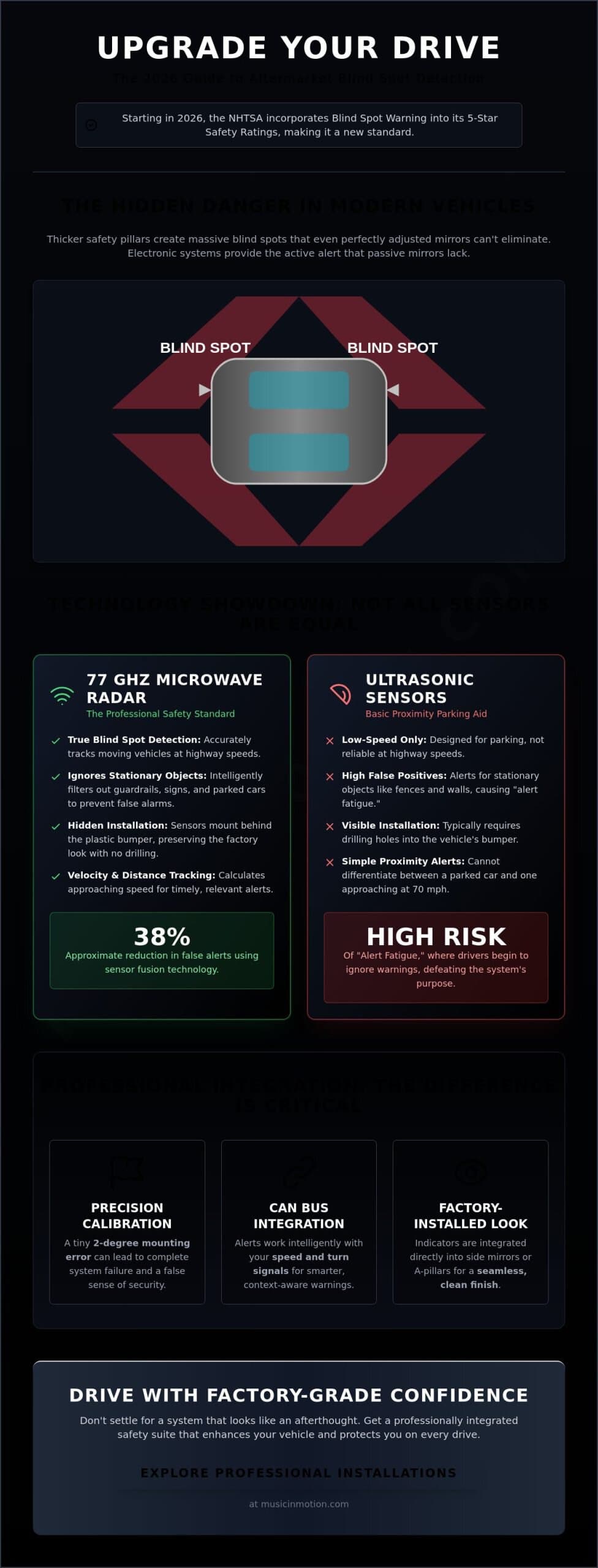
Starting with the 2026 model year, the NHTSA is officially incorporating blind spot warning systems into its 5-star safety ratings. It’s a clear signal that this technology is no longer a luxury; it’s a safety standard. We understand that white-knuckle feeling when you merge onto a busy highway and a car suddenly appears out of nowhere. You want the security of a modern safety suite, but you might worry that a blind spot detection system aftermarket upgrade will look like an eyesore or scream at you every time you pass a fence.
We’re here to show you that you don’t have to settle for “good enough.” You’ll learn how to distinguish between basic ultrasonic sensors and high-precision 77 GHz radar systems, which utilize sensor fusion to reduce false alerts by approximately 38%. By choosing the right technology, you can enjoy an upgrade that performs exactly like a factory-installed feature. This guide explores the latest 2026 technology trends and explains how professional integration ensures your vehicle stays protected while maintaining a clean, original look. No matter what you drive, we have the specialized knowledge to enhance it.
Key Takeaways
- Distinguish between microwave radar and ultrasonic sensors to ensure your safety system provides reliable alerts at highway speeds rather than just during parking.
- Discover how a modern blind spot detection system aftermarket upgrade can achieve a seamless, factory-installed look through mirror-glass integration and hidden sensors.
- Understand the vital importance of precision calibration, as even a two-degree mounting error can lead to system failure and a false sense of security.
- Learn how professional integration with your vehicle’s CAN bus allows your safety alerts to work intelligently with your speed and turn signals.
- Focus on the finished result to ensure your new technology enhances your daily driving experience with zero false alarms and total reliability.
Understanding Blind Spot Detection System Aftermarket Technology
Driver assistance technology has undergone a massive transformation in just a few short years. What used to be a premium luxury feature found only in top-tier sedans is now a necessary tool for every driver. We’ve seen the blind spot detection system aftermarket space evolve from simple, buzzing sensors to sophisticated radar arrays that think as fast as you do. In 2026, safety isn’t just about surviving a crash; it’s about preventing the close calls that happen during a split-second lane change. We focus on these systems because they provide a layer of active protection that passive equipment simply can’t match.
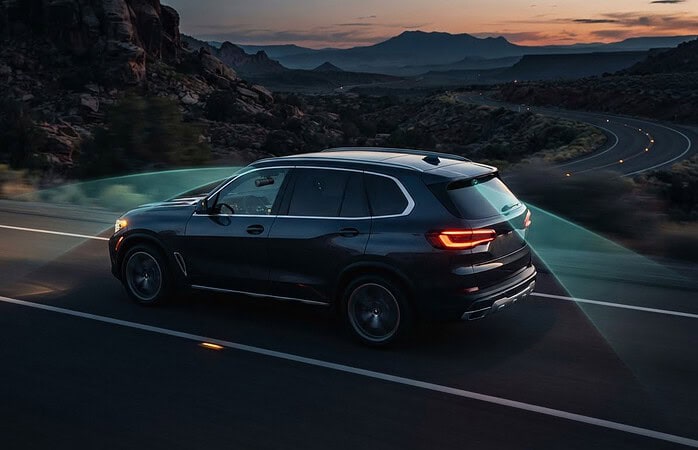
Choosing a true detection system over a basic proximity sensor is a critical distinction. A proximity sensor is a parking aid; it’s designed to beep when you’re inches away from a garage wall at three miles per hour. A true blind spot monitor uses microwave radar to track the velocity and distance of approaching vehicles at highway speeds. This technology provides a massive psychological relief. It reduces driver fatigue by acting as a second set of eyes. This lets you focus on the road ahead while the system quietly watches your flanks, removing the anxiety of “phantom” cars appearing out of nowhere.
The Problem with Standard Side Mirrors
Even if you’ve mastered the “perfect” mirror adjustment, physical limitations remain. Modern vehicle designs prioritize safety in a rollover, which has led to thicker A, B, and C-pillars. These structural reinforcements create massive blind spots that mirrors can’t penetrate. While stick-on convex mirrors are a common DIY attempt at a fix, they lack the active alert capability that prevents accidents. They require you to squint and interpret a distorted image. An electronic system provides an immediate, intuitive warning when it actually matters.
Aftermarket vs. Factory-Installed Systems
There was a time when aftermarket additions looked like an afterthought. Those days are gone. In 2026, the hardware available for a blind spot detection system aftermarket installation often rivals or exceeds what comes from the factory. We can now equip older trucks, classic cars, or base-model SUVs with 77 GHz radar technology that provides higher precision than many older OEM systems. The secret lies in professional integration. By mounting sensors behind the bumper and integrating indicators into the interior trim, we achieve a finished result that looks like it was there from day one. We take pride in delivering a solution that feels like a natural part of your vehicle’s DNA.
Radar vs. Ultrasonic: Which Blind Spot Monitor is Right for You?
Not all sensors are created equal. Many drivers assume any device that beeps when a car is nearby is a safety system, but that’s a dangerous misconception. In the blind spot detection system aftermarket, we categorize technology into two distinct camps: microwave radar and ultrasonic. While they might look similar on a spec sheet, their performance on the open road is worlds apart. We always recommend the technology that matches your driving habits, and for highway safety, one choice clearly leads the pack.
The “speed differential” is the most critical factor in a reliable system. A high-quality setup knows the difference between a car gaining on you and a tree you’re driving past. Cheap kits often lack this intelligence. They see a stationary object and assume it’s a threat, leading to “false positives” where the system alerts you for no reason. Over time, these false alarms cause alert fatigue. You start to ignore the warnings, which defeats the entire purpose of the safety upgrade. We believe your safety shouldn’t be a guessing game. If you want a system that performs with factory-grade precision, we invite you to explore our professional blind spot installations to see how we prioritize accuracy over simple proximity.
How Microwave Radar Systems Work
Microwave radar is a system that uses radio waves to detect moving objects while ignoring stationary ones. It’s the same technology used by high-end automotive manufacturers to meet modern safety standards. One of the biggest advantages is its ability to “see” through your vehicle’s plastic bumper cover. This through-bumper technology means we don’t have to drill holes in your exterior. Radar doesn’t just see that a car is there; it calculates how fast that car is approaching. According to the NHTSA on driver assistance technologies, these systems are designed specifically to provide warnings in critical lane-change situations. Radar tracks the approach speed, ensuring you only get an alert when a vehicle actually poses a risk.
The Limitations of Ultrasonic Kits
Ultrasonic sensors work like a bat’s sonar. They send out high-frequency sound waves that bounce off nearby objects. This is perfect for backup sensors or backing into a tight garage spot at three miles per hour. However, these sound waves struggle to detect objects moving at high speeds. If a car is merging into your blind spot at 70 mph, an ultrasonic kit might not react until the vehicle is already beside you. These systems also have an aesthetic downside; they require us to mount visible circular sensors on your vehicle exterior. Environmental interference is another hurdle. Dirt, snow, and even heavy rain can confuse ultrasonic sensors, leading to constant false alarms in poor weather.
Key Features to Look for in a 2026 Safety System
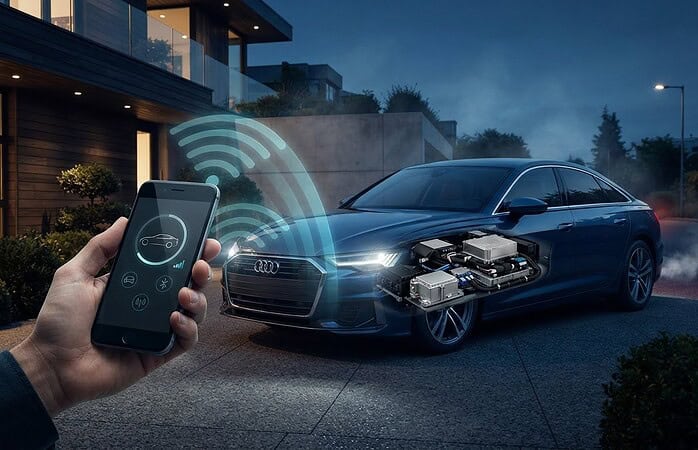
We’ve seen how technology has shifted from simple proximity alarms to high-speed radar. To get the most out of a blind spot detection system aftermarket upgrade, you need to look for features that integrate with your car’s brain. The most advanced systems now utilize CAN bus integration. This allows the safety hardware to communicate directly with your vehicle’s computer, sharing data about your current speed and whether your turn signal is active. Without this connection, a system is just guessing. We prioritize these smart features because they ensure your vehicle behaves exactly like it would with a factory-installed safety package.
Speed-controlled activation is one of these essential smart features. It prevents the system from chirping at you while you’re stopped in a drive-thru or waiting at a traffic light. By setting a specific speed threshold, the sensors only become active when you’re actually in a position to merge or change lanes. This level of intelligence is highlighted in the National Safety Council’s guide to blind spot warning; they emphasize that effective systems should help, not distract, the driver. We also recommend looking for adjustable audible alerts. Having the ability to change the volume or use an intelligent mute function ensures the system remains a helpful partner rather than a nuisance.
Visual Alert Placement and Aesthetics
How an alert looks is just as important as how it works. We offer two primary styles for visual indicators: A-pillar mounts and mirror-glass integration. A-pillar LEDs are placed inside the cabin, usually near the side mirrors, making them very easy to see without taking your eyes off the road. For the ultimate factory look, we can install etched mirror glass that features a glowing icon directly in the corner of the mirror. We also look for systems with brightness-adjustable LEDs. This ensures the indicators are vibrant during a sunny afternoon but won’t blind you during a midnight drive on a dark highway. We always aim for a finished result that matches your vehicle interior perfectly.
Rear Cross Traffic Alert (RCTA) Integration
Safety doesn’t stop when you put the car in reverse. Rear Cross Traffic Alert (RCTA) is the perfect companion to a blind spot detection system aftermarket upgrade. While your backup camera shows you what’s directly behind you, RCTA monitors perpendicular traffic. It watches for cars or pedestrians approaching from the sides as you back out of a driveway or parking spot. This feature helps prevent the most common parking lot collisions by giving you an audible and visual warning before a vehicle even enters your camera’s field of view. We focus on delivering total coverage that protects your vehicle from every angle.
Professional Installation: Why Calibration is Critical
Technical excellence is only half the battle. You can purchase the most advanced radar on the market, but if it’s installed incorrectly, it’s a liability rather than a safety feature. We’ve seen many DIY attempts where sensors are simply taped inside a bumper. This is a recipe for disaster. A blind spot detection system aftermarket installation requires surgical precision. A mounting error of just two degrees can shift the detection zone by several feet. This causes the system to miss a vehicle in the adjacent lane or trigger frustrating false alarms from stationary objects like guardrails.
Safety and integrity are our top priorities. Modern vehicles are packed with sensitive electronics and side-curtain airbags. Tapping into the wrong wire or obstructing an airbag deployment path during an indicator installation can have serious consequences. We use specialized tools to integrate with your car’s CAN bus safely. This ensures the system receives clean data for speed and turn signal triggers without compromising your vehicle’s factory warranty. If you’re ready for a reliable upgrade, schedule your professional safety installation with our team today.
The Multi-Step Calibration Process
Calibration is the final, essential step that transforms hardware into a life-saving tool. We follow a rigorous process to ensure every alert is accurate:
- Step 1: We use specialized alignment tools to measure the exact angle of each radar sensor relative to the road and the vehicle’s centerline.
- Step 2: Our technicians program the control module with your specific vehicle wheelbase and width to define the detection boundaries.
- Step 3: We perform real-world road testing to verify that the alert zones and distance triggers match factory specifications.
Hidden Installation Techniques
We believe a safety system should be felt, not seen. Our team specializes in stealth installations where radar sensors are mounted securely behind the plastic bumper cover. This provides a 100% invisible finish that doesn’t alter your vehicle’s exterior lines. We route all wiring along factory looms using automotive-grade harnesses to maintain a clean, professional look. For clients seeking total awareness, we often combine these systems with a high-definition camera setup. You can learn more about the dash cam installation cost and how it complements your blind spot sensors for 360-degree protection. We treat every vehicle like it’s our own, ensuring the finished result is both functional and beautiful.
Choosing Music In Motion for Your Safety Upgrades
At Music In Motion, we believe that adding safety technology should never feel like a compromise. When you invest in a blind spot detection system aftermarket upgrade, you aren’t just buying hardware. You’re trusting a team to integrate that hardware into your vehicle’s complex electrical and structural ecosystem. We prioritize the finished result over a simple transaction. This means every wire is hidden, every sensor is calibrated, and every alert feels like it was designed by the original manufacturer. We focus on the internal experience of the user, ensuring that your daily commute becomes safer and more enjoyable.
Our team consists of specialists who live at the intersection of advanced safety tech and custom fabrication. We’ve made a conscious decision to only offer high-performance radar-based systems to our clients. While cheaper ultrasonic alternatives exist, they don’t meet our standards for reliability or aesthetics. By sticking to microwave radar, we ensure you receive accurate tracking at highway speeds without the need for unsightly holes in your bumper. This commitment to quality is why our customers return to us for everything from safety monitors to a car audio upgrade for stock stereo systems. We have the specialized knowledge to enhance your vehicle, no matter the medium of transport.
Our Philosophy of Total Vehicle Integration
We treat every vehicle that enters our bay as a custom project. Whether you’re driving a modern SUV, a classic truck, or an RV, we ensure the technology fits your specific lifestyle. For RV owners in particular, the challenges of massive blind spots and long-distance hauls demand a comprehensive approach — from blind spot radar to a fully integrated professional RV dash cam installation that delivers eyes where you need them most. RV owners also benefit greatly from pairing these radar systems with a professional RV backup camera install to eliminate the dangerous rear blind zones that come with operating a large rig. Our experts provide approachable guidance to help you understand exactly how your new system works. We balance technical precision with a solution-oriented style that removes the mystery from high-end electronics. Our spectrum of services is wide, yet we maintain a grounded focus on the practical needs of each driver. We aren’t just installers; we’re your partners in vehicle customization.
Ready to Enhance Your Drive?
Starting your safety upgrade journey is simple. It begins with a professional consultation where we identify your vehicle’s specific needs and your desired outcomes. When you arrive at our specialized facility for your appointment, you can expect a steady, organized process. We handle the complex calibration and integration details so you can drive away with total confidence. Your safety is too important to leave to chance or uncalibrated sensors. Contact our team today to secure your 2026 safety upgrade and experience the peace of mind that comes from expert craftsmanship.
Take Control of Your Safety on the Road
Choosing the right safety technology is a major step toward a more relaxed driving experience. We’ve explored why high-frequency microwave radar is the only choice for reliable highway monitoring and why professional calibration is the secret to a system you can actually trust. A blind spot detection system aftermarket upgrade is an investment in your peace of mind. It removes the guesswork from lane changes and protects your vehicle from every angle.
We’re here to ensure your upgrade is seamless and effective. With over 30 years of custom electronics experience, we specialize in delivering a finished result that performs with factory-grade precision. We utilize invisible, through-bumper radar technology and perform expert calibration to ensure you experience zero false positives. Upgrade your vehicle safety with a professional blind spot system today. We look forward to helping you drive with a new sense of confidence and security.
Frequently Asked Questions
Can I add blind spot monitoring to any car?
Yes, we can integrate these systems into nearly any vehicle, from modern sedans to classic trucks and RVs. Our specialized knowledge allows us to adapt the technology to the unique contours and electrical systems of your specific transport. Whether you drive a compact car or a heavy-duty work vehicle, we have the tools to provide a seamless safety upgrade that looks and feels factory-installed.
Will an aftermarket blind spot system void my vehicle warranty?
No, a professionally installed blind spot detection system aftermarket upgrade will not void your new vehicle warranty. Under the Magnuson-Moss Warranty Act, a manufacturer cannot deny a warranty claim just because an aftermarket part was installed unless they can prove the part caused the failure. We use non-invasive wiring strategies that follow factory looms and integrate safely with your vehicle’s data bus to protect your car’s electrical integrity.
Does the system require drilling holes into my bumper?
No, high-quality microwave radar systems do not require drilling into your vehicle’s exterior. These sensors utilize advanced through-bumper technology, allowing them to be mounted securely on the inside of your plastic bumper cover. This results in a 100% invisible installation that maintains your car’s original aesthetic while providing advanced protection. We prioritize this method because it preserves the value and look of your property.
How much does it cost to install a blind spot detection system?
The total investment for your safety upgrade depends on the technology you choose and the complexity of your vehicle’s interior. Radar systems generally represent a higher tier of investment than basic ultrasonic kits because they offer superior speed-sensing and highway performance. We focus on the long-term value of a system that works reliably; we believe the finished result is more important than the initial transaction of goods.
Can the system detect motorcycles and bicycles?
Yes, advanced radar systems are specifically engineered to detect smaller moving objects like motorcycles and bicycles. Because these systems track the speed and distance of objects in your adjacent lanes, they can distinguish a fast-moving motorcycle from stationary road debris. This ensures you get an accurate alert when it matters most. We only use high-performance radar because it provides the precision needed to identify all types of road users.
What is the difference between a blind spot sensor and a backup camera?
A backup camera provides a visual feed of what’s directly behind you, while a blind spot sensor acts as an active alert system for your sides. Cameras are passive tools that require you to look at a screen; sensors are proactive and provide audible or visual warnings. We often combine these with our other custom installations to give you total 360-degree awareness and a safer daily drive. For RV owners managing large rear blind zones, pairing these sensors with a dedicated RV backup camera install creates a truly comprehensive safety solution.
Will the system beep every time I pass a guardrail or a parked car?
A properly calibrated radar system will ignore static objects like guardrails, fences, and parked cars. Unlike cheap ultrasonic sensors that alert you to everything nearby, our blind spot detection system aftermarket installations use speed-sensing technology. The system only triggers when another vehicle is actually approaching or lingering in your danger zone. This prevents alert fatigue and ensures you only receive warnings when a real lane-change hazard exists.
Can I install a blind spot monitor myself if I am handy with tools?
We strongly advise against DIY installation because of the extreme precision required for sensor calibration and vehicle integration. A mounting error of just two degrees can render the system useless or cause dangerous false alerts at highway speeds. Professional installation ensures that the sensors are perfectly aligned and integrated with your vehicle’s computer. Our team provides the expert support needed to ensure your new safety system performs exactly as intended.