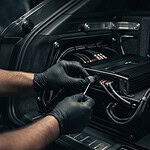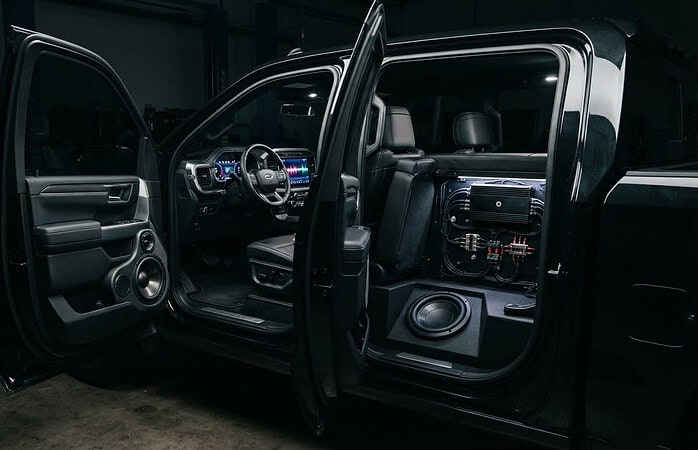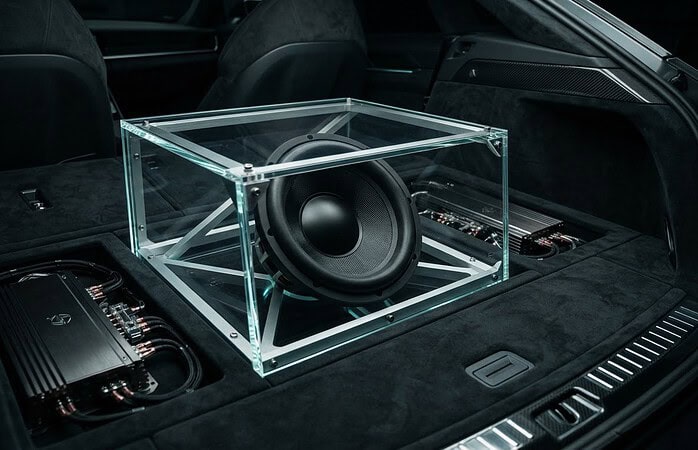
Your high-end speakers are only as good as the metal they’re bolted to. Without a solid foundation, even the most expensive components struggle to perform. We know the frustration of investing in a premium sound system only to have your favorite track ruined by a buzzing door panel or the constant hum of highway traffic. It’s disappointing when road noise drowns out the subtle details of your music, or when your midbass feels thin and hollow.
This guide explores the transformative benefits of sound deadening for car audio, showing you how to turn a vibrating metal cabin into a true high-fidelity listening room. We’ll show you how we eliminate those annoying rattles and create a quiet, luxury-car atmosphere that lets every note shine. We’ll walk through the latest 2026 material advancements and the professional techniques we use to maximize bass impact and clarity. From daily drivers to custom projects, we’re here to help you achieve the perfect acoustic environment. Our focus is on the finished result, ensuring your vehicle feels as good as it sounds.
Key Takeaways
- Understand why thin metal panels act like a tin can and how professional treatment creates a rigid foundation for high-end speakers.
- Discover the primary benefits of sound deadening for car audio, including the elimination of road drone and annoying panel rattles.
- Learn to distinguish between butyl rubber, mass-loaded vinyl, and closed-cell foam to choose the right material for every surface.
- Identify the critical treatable areas like doors and trunks to maximize midbass response and stop license plate buzz.
- Explore how a precision-engineered acoustic environment transforms your vehicle into a luxury-level listening space.
Why Your Car Is the Worst Place for High-End Audio
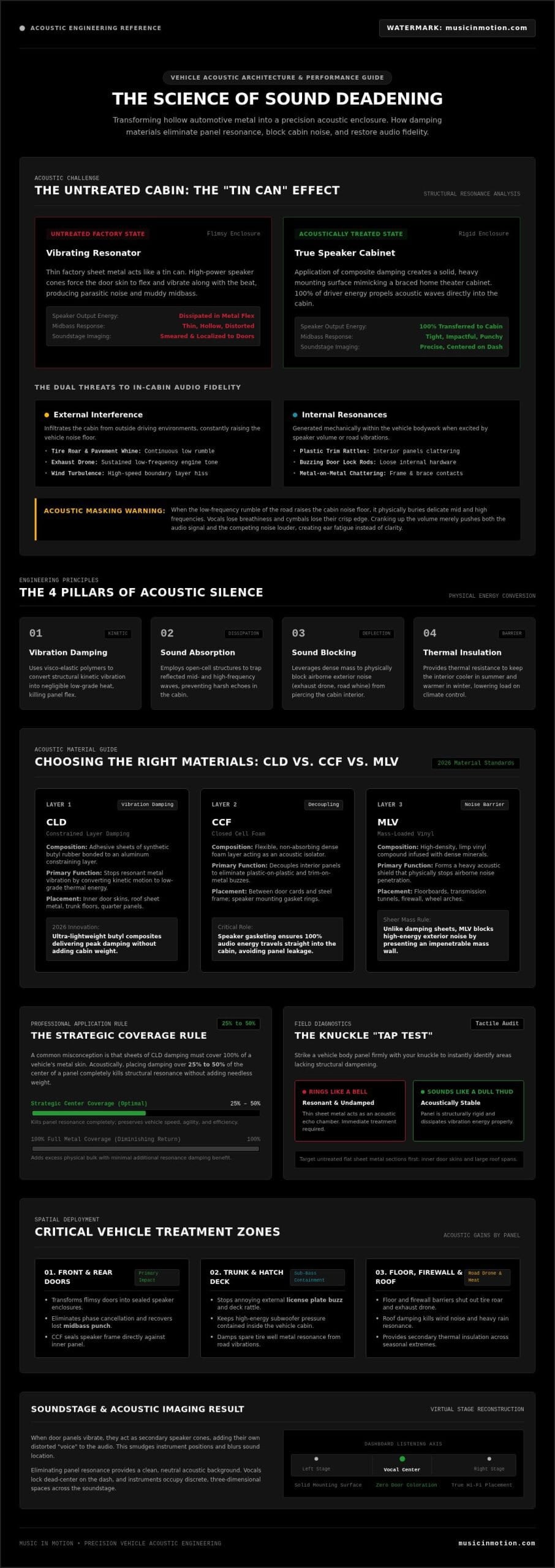
Most vehicles are essentially hollow metal shells. We call this the “tin can” effect. When you install high-performance speakers into thin, untreated metal panels, the energy from the music causes the metal to flex and vibrate. Instead of hearing pure audio, you’re hearing the sound of your door skin vibrating along with the beat. This resonance destroys the fidelity of your investment and ruins the listening experience.
One of the primary benefits of sound deadening for car audio is its ability to turn your vehicle into a proper speaker enclosure. In a home theater, speakers sit in heavy, braced cabinets. In a car, your door is the cabinet. If that door is flimsy, your midbass response will be weak and muddy. Factory speakers often use paper cones and low power to avoid exciting these vibrations, but high-end aftermarket gear is designed for precision. Without treatment, that extra power just exposes the structural flaws of your cabin.
We categorize the enemies of your audio into two groups: internal and external noise. External noise includes tire roar, wind, and exhaust drone. Internal noise consists of plastic trim rattles, buzzing door locks, and metal-on-metal vibrations. Both forces work together to degrade your sound quality.
The Impact of Cabin Noise on Audio Clarity
Road noise creates a high “noise floor” that constantly competes with your music. This leads to a phenomenon called acoustic masking, where the low-frequency rumble of the road physically covers up the delicate mid and high frequencies of your audio. You lose the breathiness of a vocal or the crispness of a cymbal because the road noise is effectively hiding them. Trying to listen over this noise causes psychological fatigue. You find yourself constantly turning the volume up, yet the music never feels clear because you’re just making the “noise” louder along with the “signal.”
Improving Imaging and Soundstage
A common oversight in car audio is the soundstage. When a door panel vibrates, it adds its own “voice” to the music. This resonance smears the location of instruments, making it impossible to tell where the guitarist is standing on the virtual stage. One of the most significant benefits of sound deadening for car audio is the creation of a stable mounting surface. By using professional damping materials, we create a “blacker” background for your music to emerge from. The result is a precise image where the vocals sit dead center on your dash and the instruments have their own distinct, localized space. Our team focuses on these technical details to ensure your vehicle provides a world-class listening environment.
The Science of Silence: How Sound Deadening Works
Silence isn’t just the absence of noise; it’s the result of precise engineering. We use four distinct methods to control the acoustic environment inside your vehicle. First, vibration damping uses visco-elastic materials to convert kinetic energy into low-grade heat. When your door panels want to vibrate, the damping material absorbs that energy and dissipates it. Second, sound absorption uses open-cell structures to trap mid and high-frequency waves, preventing them from bouncing around the cabin.
Third, sound blocking uses sheer mass to stop external noise, like tire whine or loud exhaust, from entering the cabin at all. Finally, these materials provide thermal insulation. This secondary benefit keeps your interior cooler in the summer and warmer in the winter, reducing the load on your climate control system. These combined layers provide the foundational benefits of sound deadening for car audio by creating a controlled space where your speakers can perform without interference.
Stopping Panel Resonance (CLD)
Constrained Layer Damping (CLD) is the first line of defense. These are the adhesive sheets of butyl rubber bonded to a thin aluminum layer. We apply these to flat metal surfaces like the inner door skins and roof. You can find the problem areas yourself using the “tap test.” Strike a panel with your knuckle. If it rings like a bell, it needs damping. If it sounds like a dull thud, it’s already stable. We’ve found that 100% coverage is rarely necessary for vibration control; strategically covering 25% to 50% of the panel’s center often kills the resonance while keeping the vehicle light. For 2026, we are seeing lighter weight butyl composites that offer superior damping without the bulk of older materials.
Decoupling and Absorption (CCF)
Closed Cell Foam (CCF) serves a different purpose. It doesn’t stop vibrations, but it acts as a buffer to prevent “plastic-on-plastic” rattles. When we reinstall your door panels, a layer of CCF ensures that the trim doesn’t buzz against the metal frame. We also use CCF as a gasket for door speakers to ensure all the sound energy goes into the cabin rather than leaking behind the panel. Decoupling is essential for custom fabrication projects because it isolates different components and prevents unwanted mechanical noise from ruining a high-end build. If you’re ready to hear the difference, our team can help you choose the right custom installation for your specific vehicle.
Choosing the Right Materials: CLD vs. MLV vs. CCF
Achieving a high-fidelity environment requires more than just sticking a few sheets of adhesive to your doors. We use a specific combination of materials to address different acoustic problems. One of the greatest benefits of sound deadening for car audio is the ability to customize the treatment based on your vehicle’s specific weaknesses. Using the wrong material for the job is a common mistake that leads to wasted money and added weight without the desired results.
Butyl rubber, often called Constrained Layer Damping (CLD), is the foundation of every project. It’s an adhesive layer that stops metal from vibrating. For blocking external noise like tire roar or exhaust drone, we use Mass Loaded Vinyl (MLV). This is a dense, heavy material that acts as a physical wall against sound waves. Closed Cell Foam (CCF) is the final essential layer. It doesn’t block noise or stop vibrations on its own, but it prevents plastic panels from rattling against each other. We strongly advise our clients to avoid asphalt-based products in 2026. These older materials off-gas unpleasant odors in the heat and can even melt, potentially ruining your interior and your health.
The Layering Strategy for Maximum ROI
We treat sound deadening as a three-step process to ensure maximum efficiency. We start with Layer 1, applying CLD tiles directly to the metal to stop resonance. Next, we apply Layer 2, which is the CCF barrier. This layer decouples the hard surfaces of the car. Finally, we install Layer 3, the MLV sheets. This creates a complete acoustic sandwich. This specific order is vital because the CCF acts as a “spring” that allows the MLV to float, which is how it effectively blocks low-frequency road noise.
Weight vs. Performance: The 2026 Perspective
A common concern we hear is that sound deadening adds too much weight to the vehicle. While older materials were heavy and cumbersome, modern 2026 composites offer significantly better damping properties with much less mass. We use a targeted application method to get 90% of the acoustic benefit with only 30% of the weight of a full-coverage install. By focusing on the center of large metal panels and key entry points for noise, we keep your car nimble while still delivering a luxury-quiet cabin. For more details on how we integrate these materials into a complete system, see The Ultimate Guide to High-Performance Car Audio Upgrades. This precision approach ensures you get the most out of your investment without compromising vehicle performance.
Critical Areas to Treat for Better Sound
We take a surgical approach to acoustic treatment. While generic guides suggest covering every square inch, we focus on the specific zones that impact your listening experience the most. Every vehicle has unique resonant frequencies. However, the doors and trunk remain the universal starting points for any high-performance build. By prioritizing these areas, we ensure you get the maximum acoustic return on your investment.
The floor and firewall are your primary lines of defense against mechanical noise. Treating the firewall reduces engine drone. Floor damping cuts down on the constant roar of tires against the pavement. We also address the roof to eliminate the “drumming” effect during rain and to reduce wind noise at highway speeds. These treatments lower the overall noise floor. This allows the benefits of sound deadening for car audio to extend beyond just music, creating a more comfortable and refined daily drive.
Optimizing the Door Baffle
Your car doors are the most important area for midbass response and vocal clarity. We treat both the inner and outer metal skins to create a rigid, sealed chamber for your speakers. This prevents the “back wave” of the speaker from cancelling out the sound coming from the front. We also use acoustic foam rings to channel sound energy directly through the door grill and into the cabin. This professional door treatment is incredibly effective. It can make a $200 set of speakers outperform a $500 set installed in an untreated door.
Taming the Bass in the Trunk
If you’re running a subwoofer, the trunk is a major source of unwanted noise. We focus on damping the spare tire well and the rear deck, as these large, flat surfaces are prone to low-frequency resonance. License plate buzz and trunk lid rattles are the hallmark of an amateur system, but we eliminate them through precision application. Properly damping the trunk reduces the “hangover” of vibrating metal, which directly improves the perceived accuracy and speed of your subwoofer’s output. This level of detail is a core part of Custom Car Audio Fabrication: The Art and Science of Superior Sound.
We believe every driver deserves a cabin that feels like a private studio. If you’re ready to transform your commute, our team is ready to design a Custom Installation tailored to your vehicle’s specific needs.
The Music In Motion Approach to Acoustic Engineering
We view sound deadening as a foundational part of custom vehicle fabrication. It’s not an accessory; it’s the environment that allows high-performance audio to thrive. Our team takes a precision-first approach to every build. We perform panel-by-panel tuning to address the specific resonant frequencies of your vehicle. This ensures a finished result that often exceeds factory luxury standards. We integrate these treatments with your high-performance audio and safety tech, ensuring every component works in harmony. Our goal is to improve your daily life behind the wheel through better sound and a quieter cabin.
One of the primary benefits of sound deadening for car audio is the creation of a controlled acoustic space. We don’t just apply material; we design the entire experience. This involves looking at how the metal, plastic, and electronics interact. By treating the vehicle as a single integrated system, we achieve a level of clarity that simple speaker swaps cannot match. We take pride in our growth and evolution as specialists, focusing on the practical needs of our users while pushing the boundaries of custom work.
Professional Install vs. DIY
Many enthusiasts attempt to install damping sheets themselves. While the materials are available, the installation quality determines the long-term outcome. We prioritize proper surface preparation and high-pressure rolling. Without these steps, materials can peel over time, especially in extreme temperatures. DIY projects often run into common pitfalls like accidentally blocking critical drainage holes or interfering with window regulators. Our professional integration ensures your safety systems, such as backup cameras and blind spot sensors, remain fully accessible and functional. We focus on the technical details so you can simply enjoy the music.
Beyond Cars: Marine and Powersports Applications
Our expertise isn’t limited to the road. We apply the same acoustic engineering to marine audio systems. Large fiberglass hulls are prone to vibration, which can muddy the sound on the water. By applying damping techniques to the hull and storage lockers, we create a much cleaner audio response. For motorcycles and powersports vehicles, we use specialized weather-resistant materials. These are designed to withstand moisture and UV exposure while still providing the core benefits of sound deadening for car audio and open-air transport. Whether you’re on land or water, we have the specialized knowledge to enhance your property. Consult with our experts for your custom audio project to see how we can transform your listening environment.
Build Your Foundation for Perfect Sound
A premium audio system deserves a premium environment. We’ve explored how thin metal panels act as the enemy of fidelity and why a surgical, multi-layer approach is the only way to reclaim your cabin. By treating the doors, floor, and trunk with modern 2026 composites, you transform a vibrating shell into a controlled listening room. The benefits of sound deadening for car audio go far beyond simple noise reduction; they unlock the full potential of your speakers and provide the quiet, luxury-car feel you deserve on every journey.
At Music In Motion, we aren’t just selling materials. We are custom fabrication specialists with over 30 years of audio expertise. Our team provides professional installation for both land and water vehicles, ensuring your boat, car, or RV sounds its absolute best. We prioritize the finished result over a simple transaction, designing the entire acoustic experience from the ground up. If you’re ready to stop the rattles and start enjoying crystal clear music, Elevate Your Driving Experience with Music In Motion. We look forward to helping you create the perfect mobile studio.
Frequently Asked Questions
Does sound deadening really make a difference for car audio?
Yes, it’s the single most effective way to improve your listening environment. It stops thin metal panels from vibrating along with your music, which creates a solid foundation for your speakers to perform. By eliminating these competing resonances, you hear more detail and experience a much tighter midbass response. It’s the difference between a speaker in a cardboard box and one in a high-quality enclosure.
Will sound deadening make my car significantly heavier?
Modern materials have changed the weight equation. For 2026, we use lightweight butyl composites that provide superior damping without the mass of older asphalt products. You don’t need 100% coverage to see results. Strategically applying material to 25% to 50% of a panel’s center kills resonance effectively. This targeted approach ensures you enjoy the benefits of sound deadening for car audio without compromising your vehicle’s fuel economy or handling.
Can I install sound deadening myself, or should I hire a professional?
Professional installation is recommended to ensure long-term adhesion and safety. We use high-pressure rolling and specialized surface cleaners to bond materials permanently to the metal. DIY attempts often lead to peeling or, worse, blocked drainage holes and window regulator interference. Our team integrates these materials while keeping your backup cameras and blind spot sensors fully functional. We focus on the finished result so your vehicle remains safe and reliable.
How much sound deadening material do I actually need for my doors?
Most doors require approximately 4 to 6 square feet of material per side for effective vibration damping. This allows us to cover the critical areas behind the speaker and the center of the outer skin. If your goal is total noise blocking, we might recommend full coverage with a secondary barrier layer. Every vehicle is different, so we tailor the amount of material to the specific resonant frequencies of your door panels.
What is the best material for stopping trunk rattles from subwoofers?
High-quality butyl rubber (CLD) is the best solution for stopping metal-on-metal rattles in the trunk. We focus on the spare tire well and the rear deck, which are the most common sources of subwoofer buzz. For plastic trim pieces that vibrate against the frame, we use closed-cell foam to decouple the surfaces. This combination ensures your bass remains accurate and powerful without the distraction of exterior license plate or trunk lid noise.
Does sound deadening help with heat insulation as well?
Yes, thermal insulation is a major secondary benefit. The same layers that trap sound waves also act as a barrier against outside temperatures. This helps your interior stay cooler in the summer and warmer in the winter. By reducing the thermal load on your climate control system, you create a more comfortable cabin while also protecting your electronics from extreme temperature swings. It’s a smart upgrade for year-round comfort.
Is sound deadening worth the cost if I still have factory speakers?
Sound deadening provides a noticeable improvement even with factory speakers. By lowering the noise floor of your cabin, you can hear your music more clearly without having to crank the volume to uncomfortable levels. One of the primary benefits of sound deadening for car audio is that it allows even modest speakers to sound more detailed. It’s often the first step we recommend before upgrading hardware because it fixes the room first.
Will adding sound deadening void my vehicle warranty?
No, installing sound deadening material won’t void your vehicle warranty. Federal law prevents manufacturers from voiding a warranty simply because you’ve added aftermarket equipment. The dealer would have to prove that the deadening material specifically caused a mechanical failure to deny a claim. We take extreme care to work around factory wiring and moving parts. This professional precision protects your warranty while significantly enhancing your daily driving experience.