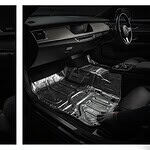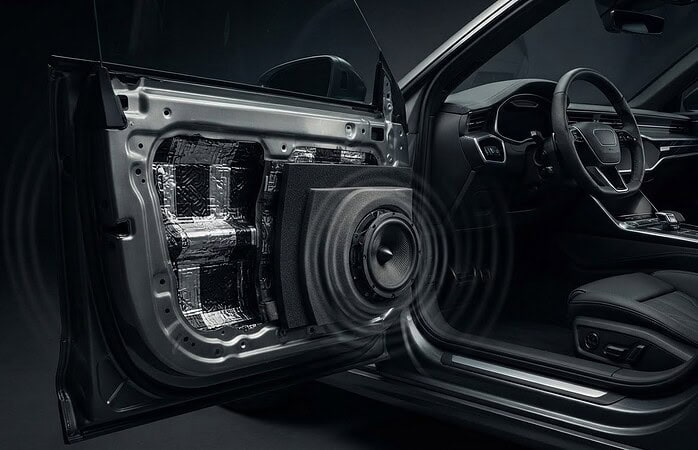
Your boat’s fiberglass hull is the secret enemy of your high-end audio system. We know the frustration of cranking the volume just to hear the lyrics over a loud engine drone, only to be met with annoying rattles and hull vibrations. It’s a common struggle for boat owners who want premium sound but find themselves fighting the very structure of their vessel. Professional sound deadening for marine audio systems is the essential foundation that solves these issues. By treating the source of the noise, we can stop the mechanical resonance that muddies your music and prevents your speakers from performing at their peak.
In this guide, we’ll show you how professional marine sound deadening eliminates resonance to unlock the true high-fidelity potential of your boat stereo. We’ll explore the latest 2026 material advancements, such as high-performance butyl damping and specialized foam composites built to withstand the salt-spray environment. You’ll learn how a strategic installation creates a studio-quality listening experience and a more luxurious, quiet cabin when the music is off. From eliminating “hull slap” to lowering the ambient noise floor, we’re covering everything you need to transform your time on the water.
Key Takeaways
- Understand how fiberglass hulls act as acoustic resonators and why structural vibration is the primary obstacle to achieving high-fidelity sound on the water.
- Discover the role of specialized materials like Constrained Layer Damping and Mass Loaded Vinyl in professional sound deadening for marine audio systems.
- Learn how creating virtual enclosures by sealing hull voids can dramatically improve mid-bass response and prevent destructive phase cancellation.
- Identify the high-impact areas for treatment, including speaker mounting surfaces and engine bulkheads, to ensure the best return on your audio investment.
- See why professional integration is vital for safely navigating complex marine upholstery and delivering a result that looks and performs like a factory-standard luxury system.
The Acoustic Challenge: Why Boats Are Harder to Tune Than Cars
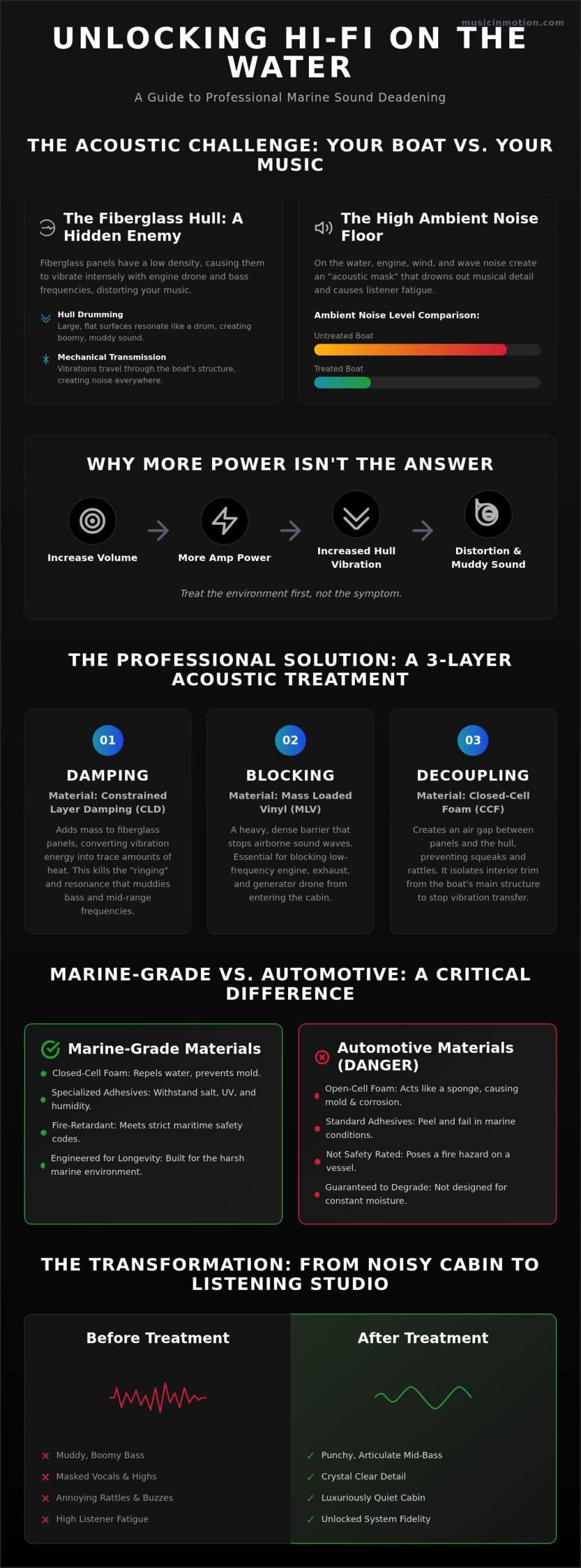
Designing a high-performance audio system for a boat isn’t just about picking the loudest speakers. We often see owners try to overcome engine noise by simply adding more power. While a bigger amplifier increases volume, it also increases the energy transferred into the hull. This energy causes fiberglass panels to vibrate, creating a phenomenon we call “hull drumming.” These large, flat surfaces act like secondary speakers, but they don’t play music; they play distortion. Professional sound deadening for marine audio systems is the only way to stop this cycle of noise and vibration.
Adding more power to an untreated boat actually makes the listening experience worse. When you crank the volume, the mechanical resonance of the vessel increases proportionally. This results in muddy mid-range vocals and “boomy” bass that lacks any real punch. We focus on treating the environment first, ensuring that your speakers are the only things moving air on your boat.
Fiberglass vs. Sheet Metal Resonance
Fiberglass behaves differently than the sheet metal found in cars. While metal is prone to high-frequency “tinking,” fiberglass has a lower density that tends to amplify mid-range and low-frequency vibrations. The internal structure of the boat, including stringers and bulkheads, acts as a highway for mechanical noise. Even the gelcoat contributes to the rigidity that allows sound to travel through the entire vessel. You can’t rely on a simple “tap test” here. Marine hulls are thick and multi-layered, requiring a technical approach to identify where resonance is robbing you of audio clarity. Our team uses specialized materials to address these specific frequencies, ensuring the sound deadening for marine audio systems we install is matched to the unique properties of your hull.
The Ambient Noise Floor on the Water
The “masking effect” is a constant battle on the open water. Wind rushing past the cockpit and the cavitation of the propeller create a high ambient noise floor that drowns out the fine details of your music. When you try to push through this noise without proper treatment, the result is listener fatigue. Your ears get tired of fighting the chaotic mix of music and mechanical drone. Structure-borne noise in marine environments is the transmission of mechanical energy through the boat’s physical framework, which then radiates into the cabin as audible sound. By lowering this noise floor, we allow the nuances of your stereo to shine through even at cruising speeds.
- Hull Drumming: Large fiberglass panels vibrating like a drum skin.
- Mechanical Transmission: Engine and propeller vibrations traveling through stringers.
- Acoustic Masking: Ambient noise hiding the mid-range and high-frequency details of your music.
Marine-Grade Materials: Damping, Blocking, and Decoupling
Achieving studio-quality sound on the water requires a three-part strategy: damping, blocking, and decoupling. Each material we use plays a specific role in the acoustic foundation of your vessel. Constrained Layer Damping (CLD) is the first line of defense. These sheets add mass and structural integrity to fiberglass panels, effectively killing the “ringing” sound that occurs when waves hit the hull or your subwoofers hit a low note. For blocking out heavy engine and exhaust drones, we rely on Mass Loaded Vinyl (MLV). This high-density barrier is designed to stop airborne sound waves that damping alone cannot touch. Finally, Closed-Cell Foam (CCF) acts as a decoupler. It creates a physical gap between interior panels and the hull to stop the plastic-on-fiberglass squeaks that often plague factory setups. By 2026 standards, these materials must feature specialized salt-spray and UV-resistant adhesives to survive the harsh offshore environment without peeling or degrading.
The Danger of Using Automotive Materials in Boats
Standard automotive products often fail when they leave the road. Many installers mistakenly use open-cell foam, which acts like a sponge for saltwater and humidity. This leads to mold, mildew, and hidden corrosion within your hull. We’ve seen countless DIY projects where automotive adhesives simply let go inside a hot engine compartment or a humid storage locker. Professional sound deadening for marine audio systems requires fire-retardant materials that meet strict maritime safety codes. It’s about more than just sound; it’s about the safety and longevity of your vessel’s interior. If you’re planning a marine audio upgrade, choosing the right materials is the first step toward a lasting result.
Butyl Compounds vs. Asphalt-Based Damping
Not all damping sheets are created equal. High-purity butyl rubber is the gold standard for marine vibration control. It stays flexible across a wide temperature range and provides superior frequency attenuation compared to cheaper alternatives. Asphalt-based dampers are common in the automotive world, but they’re a poor choice for boats. In the enclosed cabin of a yacht or the tight quarters of a center console, asphalt off-gasses a distinct chemical smell when it gets warm. It also becomes brittle and loses its effectiveness over time. We prioritize high-purity butyl because it delivers a clean, odorless, and permanent solution. We carefully select material thickness based on the frequency we need to neutralize; thicker layers generally target low-end hull resonance, while thinner sheets handle mid-range vibrations.
Maximizing Audio Performance: Turning the Hull into an Acoustic Asset
Most boat owners view sound treatment as a way to quiet the engine for better conversation. While that is a great benefit, we look at it through a different lens. For us, sound deadening for marine audio systems is about transforming your boat into a high-performance acoustic environment. Most marine speakers are installed in “infinite baffle” configurations, meaning they aren’t in a dedicated box. Without treatment, the sound waves from the back of the speaker can wrap around and cancel out the waves from the front. This phase cancellation is the primary reason why many boat stereos sound thin or weak once you leave the dock.
We use specialized damping materials to seal hull voids and create “virtual enclosures” for your speakers. This simple step dramatically improves mid-bass response and ensures that every watt of power from your amplifier goes toward moving air rather than vibrating fiberglass. When your hull panels are stiff and controlled, they stop acting like secondary speakers that create distortion. Instead, they provide a solid foundation that allows your audio system to reach its full potential. This reduction in panel flex is vital for maintaining clarity at the high volume levels required for cruising speeds.
Improving Mid-Range Clarity and Vocal Imaging
The 200Hz to 2kHz range is where the heart of your music lives. This is the frequency band for vocals, guitars, and snare drums. It is also exactly where engine drone and wind noise are most aggressive. When we install Premium Marine Audio Systems, we prioritize creating a stable mounting baffle. By stiffening the area around 6.5-inch and 7.7-inch speakers, we prevent the mounting surface from shaking. This results in sharper vocal imaging and a soundstage that feels like it’s right in front of you rather than buried somewhere in the gunwales.
Taming Subwoofer Energy in Large Storage Lockers
High-output subwoofers move a massive amount of energy. In a typical boat, this energy often ends up rattling locker hatches, seat bases, and acrylic doors. These rattles are more than just annoying; they actually mask the low-frequency detail of your music. We apply damping materials to these resonant surfaces to ensure the bass stays tight and accurate. Our deep background in Custom Car Audio Fabrication gives us the expertise to identify these “trouble spots” before they ruin your listening experience. The result is a low-end response that you can feel in your chest without the distracting sound of vibrating plastic or metal hardware.
Strategic Application: Where to Focus for the Best Marine Audio ROI
Not every square inch of your boat needs treatment to see a massive improvement. We focus on a tiered approach to ensure you get the best return on your investment. The first priority is always the speaker mounting surfaces and the immediate voids behind them. By stiffening these areas, we prevent the “short-circuiting” of sound waves and ensure your speakers have a rock-solid foundation. From there, we move to the engine hatch and large hull sections that act as resonant drums. This strategic use of sound deadening for marine audio systems ensures that your budget is spent where it will be heard most.
Large hull sections and storage compartments are often overlooked. These thin fiberglass panels vibrate sympathetically with your music, which creates a muddy sound. Applying damping materials to storage lockers prevents energy loss from panel flex, which ensures that low-frequency waves stay focused on the listener for maximum bass impact. This simple treatment transforms a hollow-sounding boat into one that feels solid and high-end. It’s the difference between a system that sounds like it’s sitting on top of the boat and one that is truly part of it.
The Console and Helm: Protecting the Electronics
The helm is the brain of your vessel. High-performance head units and signal processors are sensitive to the constant mechanical vibration of a running boat. By damping the console, we reduce the physical stress on these components, potentially extending their lifespan. This also creates a quiet “pocket” at the helm. It makes Bluetooth calls clearer and navigation easier because you aren’t shouting over the vibration of the dash. You’ll even notice an improvement in the tactile feel of the boat, as steering wheel vibration is significantly reduced during long cruises.
Hatches and Bulkheads: The Source of the Rattle
Engine hatches and interior bulkheads are the most common sources of distracting noise. We use specialized gasket tapes to eliminate panel-on-panel contact, which stops squeaks before they start. The bulkhead between the engine and the cabin is the most critical zone for Mass Loaded Vinyl (MLV) application. This high-density barrier is essential for blocking airborne engine noise that would otherwise bleed into your listening area. If you want to experience the difference a professional installation makes, contact us today to discuss your specific vessel and audio goals.
Professional Execution: Integrating Sound Treatment into Custom Marine Builds
Marine upholstery and trim are notoriously difficult to navigate. Professional disassembly is required to reach the resonant panels hidden behind complex vinyl wraps and composite liners. We take pride in our ability to strip a cabin down and reassemble it to a standard that often exceeds the original manufacturer’s fit. During this process, we’re extremely careful to maintain access to critical utility systems. We never cover bilge pumps, fuel sensors, or wiring harnesses. Safety and functionality are never sacrificed for audio performance. Our team ensures that your boat remains easy to service while sounding like a private studio.
We know that weight is a major concern for performance boat owners. You don’t need 100% coverage to get 90% of the results. We calculate the point of diminishing returns for every project to ensure we aren’t adding unnecessary mass. For high-speed vessels, we focus on strategic placement that doesn’t impact the boat’s center of gravity or plane time. It’s about being surgical with the application rather than just layering on material. This balanced approach keeps your boat fast and agile while providing the quiet foundation needed for high-fidelity audio.
Durability and Long-Term Reliability
The longevity of your system depends on the bond between the material and the hull. We use marine-grade degreasers to prep every fiberglass surface before application. There is a massive difference between “sticking” a sheet down and “bonding” it for a high-humidity environment. Our process ensures the treatment won’t peel or trap moisture over years of hard use. We prioritize reliability because we know how harsh the marine environment can be. If you’re ready to unlock the true potential of your stereo, a professional marine acoustic consultation is the best place to start. We’ll help you navigate the technical details to ensure your boat sounds as good as it looks.
Set a New Standard for Your Marine Audio Experience
Your boat deserves a soundstage that competes with the open water, not one that’s drowned out by it. We’ve shown how structure-borne noise and fiberglass resonance can muddy your music and lead to listener fatigue. By choosing professional sound deadening for marine audio systems, you’re investing in a foundation that eliminates “hull drumming” and provides a silent backdrop for your favorite tracks. We focus on the finished result, ensuring every layer of damping and blocking material is integrated seamlessly into your vessel’s unique design.
Since 1994, we’ve operated as custom marine fabrication specialists dedicated to high-performance open-water audio systems. We understand the technical challenges of the marine environment and provide solution-oriented integration that stands the test of time. Don’t settle for a stereo that only sounds good at the dock. Take the first step toward a more luxurious, high-fidelity experience that performs even at cruising speeds.
Experience the difference of a professionally treated marine acoustic environment at Music In Motion. We’re ready to help you transform your vessel into a true acoustic asset.
If your passion for high-performance experiences extends from the open water to rugged terrain, you can discover Wynajmij Mavericka for premium off-road vehicle rentals that deliver a similar level of excitement.
Frequently Asked Questions
Does sound deadening actually work on a fiberglass boat?
Sound deadening is highly effective on fiberglass because it neutralizes structural resonance. While fiberglass is rigid, large flat panels act like drum skins when energized by engine vibration or heavy bass. Applying professional sound deadening for marine audio systems adds the necessary mass to stop this “ringing” effect. This transforms your hull from a source of noise into a controlled acoustic environment. You’ll notice tighter bass and much clearer mid-range vocals immediately.
Will sound deadening materials make my boat too heavy?
Your boat won’t become noticeably heavier with a strategic installation. We use a surgical approach that targets resonant “hot spots” rather than covering every inch of the hull. This method provides the maximum acoustic benefit with minimal added weight. For performance boats, we carefully calculate the point of diminishing returns. The result is a system that sounds incredible without negatively impacting your plane time or top-end speed on the water.
Can sound deadening prevent mold and mildew in my boat?
Marine-grade materials actually help manage moisture when installed correctly. We exclusively use closed-cell foams that refuse to absorb water or salt spray. This is a critical distinction from automotive products that can act like sponges and cause rot. By creating a permanent bond with the hull, we prevent humidity from becoming trapped in hidden pockets. This specialized approach protects your vessel’s structural integrity while improving your overall listening experience.
How much quieter will my boat be with professional sound deadening?
You can expect a significant reduction in the ambient noise floor at the helm and in the cabin. While every vessel is different, professional treatment targets the specific frequencies of engine drone and propeller cavitation. By lowering these background noises, your music doesn’t have to fight for space. This allows you to listen at lower, safer volumes while still hearing every detail. It creates a much more refined, luxurious atmosphere for everyone on board.
Do I need to cover the entire hull for the audio to sound better?
Total coverage is rarely necessary for superior audio performance. We focus on the areas that matter most, such as speaker mounting surfaces and the bulkheads near the engine. You don’t need 100% coverage to see 90% of the results. This efficient use of sound deadening for marine audio systems ensures your budget is spent where it creates the most audible impact. It keeps the project cost-effective while maximizing your stereo’s clarity and punch.
Is automotive sound deadening the same as marine sound deadening?
Marine and automotive materials are not interchangeable. Marine-specific damping sheets feature adhesives designed to withstand constant salt-spray exposure and extreme humidity. Automotive asphalt-based products can off-gas unpleasant odors in enclosed boat cabins and often become brittle over time. We use high-purity butyl compounds that remain flexible and odorless. These materials are also fire-retardant, meeting the strict safety codes required for modern 2026 maritime standards and offshore environments.
Will sound deadening help keep my boat cabin cooler in the summer?
Many sound deadening materials provide excellent thermal insulation as a secondary benefit. High-density barriers and closed-cell foams create a shield against the sun’s heat radiating through the fiberglass hull. This helps your air conditioning system work more efficiently in enclosed cabins. It also keeps storage lockers and helm stations cooler during mid-day heat. You get a quieter boat and a more comfortable interior environment all in one professional installation.
Can I install marine sound deadening myself or should I hire a professional?
Professional installation is the best way to ensure a finished result that lasts. Accessing the hull often requires removing complex upholstery, trim panels, and sensitive electronics. We have the specialized tools to disassemble and reassemble your boat to factory standards. Our team also ensures that critical components like bilge pumps and fuel sensors remain fully accessible. We provide a level of durability and safety that DIY attempts simply can’t match.